

Perfect Hat Printing with the CP2815 Hat Press Pad: Tips for Bucket, Trucker, and Tennis Hats
Why the CP2815 Hat Press Pad is a Game Changer
Achieving the perfect transfer on headwear requires the right combination of heat, timing, and most importantly, the correct surface. The CP2815 Hat Press Pad is an essential accessory designed to solve the common challenges of hat printing. Whether you are working with unstructured bucket hats or rigid trucker hats, this pad provides the necessary support. It ensures that your designs are applied smoothly without unsightly creases or blurred edges. By using the right pad, you transform a standard heat press into a versatile headwear production station.
Printing on hats is notoriously difficult because of their curved and varied shapes. A standard flat press cannot reach the seams and corners of a cap effectively. The CP2815 Hat Press Pad acts as a specialized cushion that fits inside the hat. It creates a firm, even surface for the heating element to press against. This eliminates the "dead spots" where heat or pressure might fail to reach the transfer.
The material of the pad is engineered to withstand high temperatures repeatedly. It distributes heat evenly across the entire print area, preventing hot spots that could scorch delicate fabrics. Its durability makes it a favorite for industrial shops that produce hundreds of units daily. Investing in this pad means fewer ruined hats and much higher customer satisfaction rates.
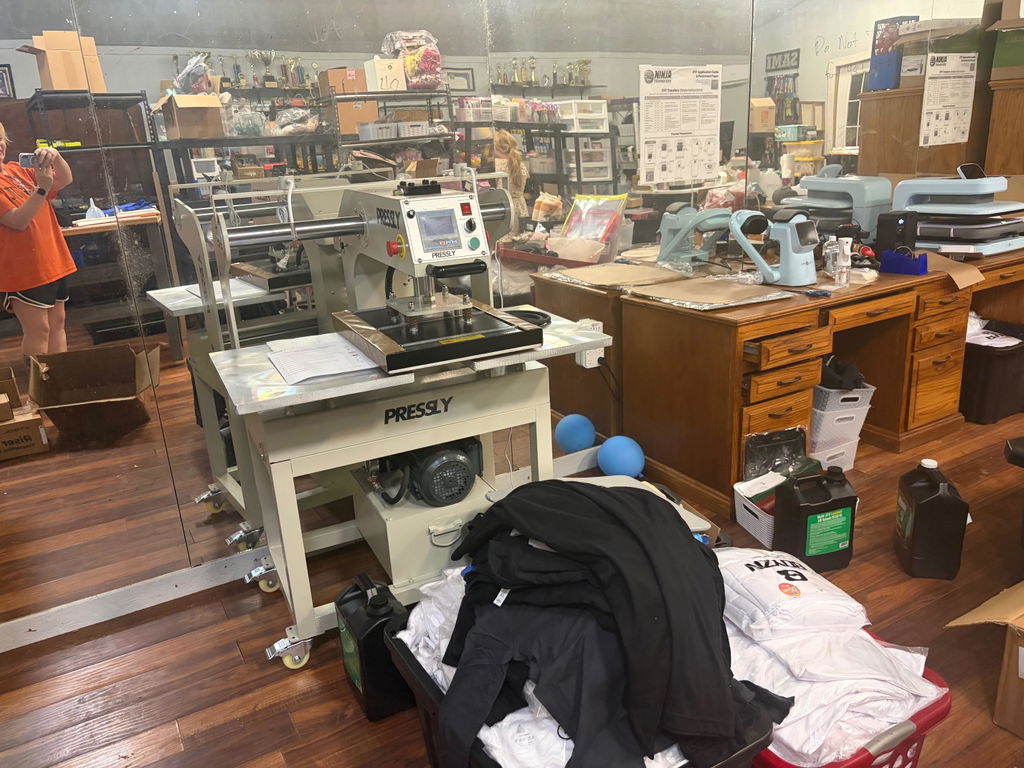
Maintaining the precise pressure settings of your heat press machines is vital for ensuring every transfer is applied to the fabric with consistent quality. The
Mastering the Structured Trucker Hat
Trucker hats are a staple in the custom apparel industry due to their iconic foam fronts. However, their rigid structure can make them tricky to press without flattening the crown. The CP2815 Hat Press Pad provides the internal support needed to maintain the hat's shape during the press. It fills the void inside the cap, allowing the front panel to stay upright and accessible.
When pressing trucker hats, it is important to protect the plastic mesh back. The pad helps isolate the front panel, ensuring that heat is only applied where it is needed. This prevents the mesh from melting or warping under high temperatures. With the CP2815, you can achieve a professional, retail-quality look on any foam-front headwear.
Achieving Precision on Bucket Hats
Bucket hats have surged in popularity, but their floppy, unstructured nature presents a unique challenge. Without a solid base, the fabric tends to shift or bunch up during the heat application. The CP2815 Hat Press Pad offers the stability required to keep the fabric taut. By placing the pad inside the crown, you create a flat, firm area on a rounded surface.
This is especially helpful when applying small logos or intricate DTF transfers. The pad ensures that every part of the design receives equal pressure, preventing the edges from lifting. Because bucket hats are often made of cotton or canvas, the pad's heat-reflective properties help the adhesive bond deeply into the fibers. You get a durable, wash-resistant result every time.
Perfecting the Tennis and Sports Cap
Tennis hats and performance caps are often made of thin, moisture-wicking synthetic materials. These fabrics are highly sensitive to heat and can easily develop "press marks." The CP2815 Hat Press Pad provides a soft yet firm buffer that minimizes these marks. It allows the pressure to be distributed so precisely that the fabric's texture remains unchanged.
For sports caps with low profiles, the pad helps the heating element reach the lower edges near the brim. This area is often missed by standard presses, leading to incomplete transfers. Using the CP2815 ensures that your branding is perfectly centered and fully adhered. It is the secret to producing high-end athletic headwear that survives the rigors of the court.
Dealing with Seams and Eyelets
One of the biggest hurdles in hat printing is the thick center seam or the metal eyelets. These raised areas can cause the heat platen to "bridge," leaving the area around the seam without enough pressure. The CP2815 Hat Press Pad is flexible enough to absorb these irregularities. The seam sinks slightly into the pad, allowing the rest of the design to make full contact with the heat.
This feature is critical for achieving a seamless look over the front of a six-panel cap. It ensures that your logo doesn't have a gap or a weak bond in the middle. By compensating for the physical depth of the hat's construction, the pad guarantees a professional finish. It saves you from the frustration of "hit-or-miss" printing results.
Enhancing Workflow and Production Speed
Efficiency is the key to profitability in any custom print shop. The CP2815 Hat Press Pad is designed for quick insertion and removal. It does not require complex mounting or tools to use with your existing hat press. This allows your operators to move through a stack of hats with minimal downtime.
The pad also cools down quickly between uses, making it safe to handle. Its lightweight design means it won't add unnecessary bulk to your workstation. By reducing the number of failed prints, the CP2815 significantly speeds up your total production time. It is a small tool that makes a massive impact on your daily output and bottom line.
Tips for Temperature and Pressure Settings
Using the CP2815 pad may require slight adjustments to your standard heat settings. Because the pad absorbs and holds some heat, you may find that you can lower your dwell time. Always perform a test press on a scrap hat to find the "sweet spot" for your specific material. A medium-to-firm pressure is usually best when using the pad for DTF or vinyl transfers.
Remember to pre-heat the hat for 3–5 seconds with the pad inside. This removes any moisture and flattens the fabric perfectly before the transfer is applied. This simple step, combined with the CP2815, ensures the strongest possible bond. It is the professional way to handle high-value custom headwear orders.
Durability and Long-Term Maintenance
The CP2815 Hat Press Pad is built to last through thousands of heat cycles. It is made from high-density, heat-resistant foam and silicone materials. To keep it in top condition, ensure that no adhesive or ink gets directly onto the pad surface. Using a protective Teflon sheet over the hat is always a good practice.
If the pad becomes dirty, it can usually be wiped down with a damp cloth once it has cooled. Storing it in a flat position will help it maintain its shape for years. Its robust construction ensures that it won't crumble or lose its elasticity under the pressure of the press. This makes it one of the most cost-effective accessories in your shop.
Expanding Your Product Offering
With the CP2815 in your arsenal, you can confidently offer a wider range of headwear. You are no longer limited to simple five-panel caps. You can take on complex projects involving beanies, sun visors, and even children's hats. The versatility of the pad allows you to say "yes" to more diverse and profitable customer requests.
Personalized hats are high-margin items that are always in demand for events, brands, and sports teams. The quality provided by the CP2815 helps you stand out from competitors who use inferior methods. It is the key to moving your business from "hobbyist" to "professional" status.
Conclusion
The CP2815 Hat Press Pad is an indispensable tool for anyone serious about headwear customization. It provides the essential support needed for bucket, trucker, and tennis hats alike. By ensuring even heat and pressure, it guarantees flawless results on every project. It is a small investment that pays for itself through improved quality and reduced waste.
Upgrade your hat printing process today with the CP2815 and experience the difference in every press. Your designs will be sharper, your bonds will be stronger, and your customers will be more impressed. Take the guesswork out of hat printing and deliver excellence with every single cap.
To stay fully connected with the latest trends in custom printing and industrial solutions, follow us across our diverse social media platforms. You can find visual inspiration and creative project ideas on our
Leave a comment