

Beginner’s Guide to DTF Printing at Home
Beginner’s Guide to DTF Printing at Home
Direct-to-Film (DTF) printing has opened new possibilities for hobbyists and small business owners alike. With this technique, you can create vibrant, professional-quality designs on t-shirts, hoodies, tote bags, and more—all from the comfort of your home. This beginner’s guide will walk you through the essential tools, materials, and steps to start DTF printing effectively.
Ensure your custom prints achieve maximum durability and a soft feel by using premium
What You Need to Get Started
Before diving in, gather the right equipment and supplies:
-
DTF Printer: A specialized printer capable of handling DTF inks and films.
-
DTF Inks: High-quality inks that produce vibrant and long-lasting prints.
-
Transfer Films: Sheets or rolls designed specifically for DTF printing.
-
Adhesive Powder: Ensures the design sticks properly to the fabric.
-
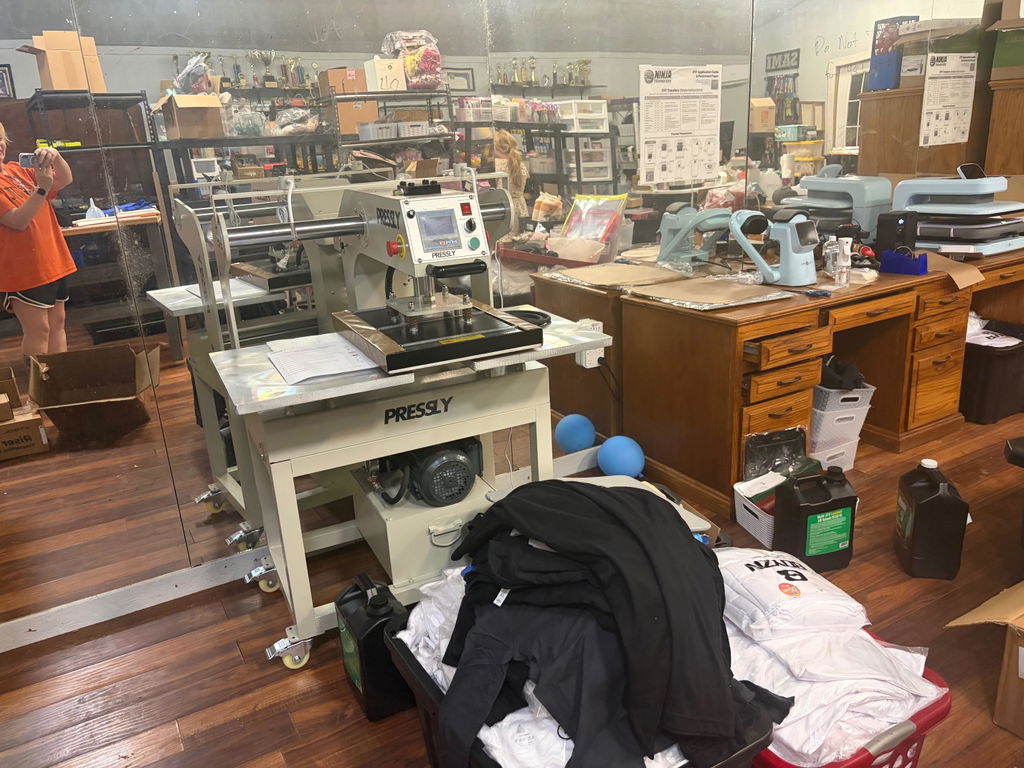
Heat Press: For transferring your designs onto fabric with the correct temperature and pressure.
-
Protective Equipment: Gloves, masks, and a clean workspace help ensure safe and smooth operations.
Having the right tools from the start makes the printing process easier and more reliable.
Step-by-Step DTF Printing Process
1. Prepare Your Design
Create your artwork digitally using software such as Adobe Illustrator, Photoshop, or CorelDRAW. Save files in PNG or PSD format with a transparent background to achieve sharp, high-quality prints.
2. Print the Design
Load your DTF printer with the transfer film and print your design using DTF inks. Ensure the printer settings match the type of film and ink you are using.
3. Apply Adhesive Powder
Evenly sprinkle adhesive powder over the printed design. This step ensures that the transfer will stick properly to your chosen fabric.
4. Cure the Powder
Use an oven or heat source to cure the adhesive powder. This step is crucial for durability and long-lasting prints.
5. Transfer to Fabric
Use a heat press to apply your design onto the fabric. Follow recommended temperature, pressure, and timing guidelines for best results.
Tips for Beginners
-
Start Small: Test your process with small designs or scrap fabric to avoid wasting materials.
-
Maintain Your Equipment: Clean your printer heads regularly and inspect your heat press to prevent inconsistencies.
-
Store Supplies Properly: Keep inks in a cool, dark place and adhesive powders sealed in airtight containers.
-
Follow Guidelines Carefully: Proper heat, pressure, and timing are critical for high-quality, durable transfers.
-
Experiment Creatively: Try layering colors, mixing designs, or combining different transfer sheets for unique effects.
Benefits of Home DTF Printing
-
Cost-Effective: No need for expensive screens or plates, making it affordable for hobbyists.
-
Creative Freedom: Customize designs exactly as you like without relying on external printers.
-
Quick Turnaround: Produce items on-demand without waiting for professional printing services.
-
Scalable: Start with small projects and gradually take on larger production runs as you gain confidence.
Common Challenges
While DTF printing at home is accessible, beginners may face a few hurdles:
-
Learning Curve: Understanding the correct settings for heat, pressure, and curing takes practice.
-
Equipment Maintenance: Regular cleaning is necessary to avoid clogged print heads and inconsistent prints.
-
Material Handling: Improper storage of films, inks, or powders can affect print quality.
Patience, experimentation, and following proper procedures help overcome these challenges.
Conclusion
Home DTF printing is an exciting way to bring your creative ideas to life. By gathering the right equipment, following step-by-step instructions, and practicing consistently, you can produce vibrant, professional-quality designs on a variety of fabrics.
Whether you are creating personalized gifts, custom apparel for friends and family, or starting a small business, DTF printing at home offers flexibility, affordability, and creative freedom. Start small, experiment with designs, and gradually expand your projects as you gain confidence and experience. With careful handling and attention to detail, the possibilities are endless.
Stay connected with the digital world of DTF Bank to keep up with the latest transfer technologies and industry trends. You can follow their
Leave a comment