

The world of digital textile printing is evolving at a rapid pace. As of 2026, Direct-to-Film (DTF) technology has officially set the new standard for the apparel industry. If you are planning to enter this market, choosing the right hardware is the most critical decision you will make. A wrong start can lead to significant losses in both time and capital.
In this comprehensive guide, we will explore the key factors to consider when selecting your first printer. We will also dive into the essential components of a modern production line.
What is DTF Equipment Technology?
DTF is a process where designs are printed onto a special PET film and then transferred to fabric using heat and adhesive powder. This method offers far more flexibility than traditional screen printing. It allows you to print on a vast range of materials, including cotton, polyester, nylon, and even leather.
At the heart of this technology lies precision engineering. A proper DTF setup is not just a printer. The process requires a synchronized workflow between the printer, the powder shaker, the curing oven, and air purification units. High-quality equipment is mandatory to achieve retail-ready results.
A proper DTF setup is not just a printer — it's a complete synchronized production system. Every component from the shaker to the curing oven plays a critical role in your final output quality.
4 Critical Factors for Choosing Your First Printer
When making your first equipment investment, do not focus solely on the price tag. Consider these four elements that will define the future of your business:
Print Width and Production Capacity
Beginners usually choose between 30 cm (A3) and 60 cm (24-inch) models. If you are running a boutique or hobby shop, a 30 cm model is ideal. However, if you plan on mass production, 60 cm roll-to-roll systems provide much higher speed and efficiency.
Printhead Technology
In the DTF world, Epson I3200 and XP600 printheads are the industry standards. The I3200 heads offer industrial durability and high speed for heavy workloads. The XP600 is a budget-friendly option for those just starting out. Ensure your chosen machine supports these reliable technologies.
RIP Software Support
The software is just as important as the hardware. You need professional RIP software for accurate color management and ink control. These programs allow you to adjust white ink density, which is vital for the vibrancy of the final print.
Technical Support and Spare Parts
DTF machines require regular maintenance. Working with a supplier who provides fast access to spare parts is a lifesaver. Equipment purchased through DTFBank comes with the assurance of technical support and part availability.
Don't buy based on price alone. A cheaper machine with poor support and no spare parts availability will cost you far more in downtime and lost orders than a reliable mid-range setup.
Essential DTF Equipment Checklist
To run a full-scale printing business, you will need several key components. The DTFBank Equipment collection provides professional solutions for every stage:
- DTF Printers — The centerpiece of the collection features high-resolution printers optimized for sharp details. The 2026 models are equipped with advanced white ink circulation systems to prevent clogging.
- Automatic Shakers and Ovens — Applying adhesive powder evenly is critical. Automatic shaker units apply the powder, shake off the excess, and cure it in the oven. While manual ovens work for hobbies, automatic systems are essential for high-volume orders.
- Air Purifiers — The curing process releases fumes that must be filtered. For a healthy and safe workspace, using a professional air purifier is both a legal and ethical necessity in a modern shop.
- Heat Presses — To transfer the cured film to the fabric, you need a high-quality heat press. A press that maintains consistent pressure and temperature directly impacts the lifespan and washability of the print.
While manual ovens work for hobby use, automatic systems are essential once you start taking high-volume orders. Inconsistent powder curing leads to transfer failures, peeling, and unhappy customers.
Explore the DTFBank Equipment Collection
Professional solutions for every stage of your production line — from entry-level printers to full automatic setups. Expert support included.
View Equipment →Maintenance: Extending Your DTF Equipment Life
To protect your investment, maintenance must be a daily routine. In DTF systems, the biggest enemy is dried ink. Follow these professional tips every day:
-
Daily Nozzle Checks Always perform a test print before starting your workday to catch any clogs before they affect customer orders.
-
White Ink Agitation White ink tends to settle. Keep your circulation system active and gently shake the ink tanks to prevent pigment separation.
-
Regular Cleaning Clean the waste ink pads and wipers (capping station) daily to prevent buildup and protect the printhead.
-
Climate Control Operate your equipment in an environment with 40–60% humidity and temperatures between 20–25°C for optimal performance.
A consistent daily maintenance routine can extend the life of your printhead by years — saving thousands in replacement costs. Treat your machine like the core business asset it is.
Conclusion: Why Choose DTF Equipment
To stay competitive in 2026, you must utilize the latest digital printing technologies. Choosing the right gear leads to lower waste rates and higher customer satisfaction.
Whether you are scaling your business or taking your very first step into the industry, the right equipment partner makes all the difference. With professional solutions and an expert team, every stage of your production journey is covered.
Ready to Build Your DTF Production Line?
Visit DTFBank Equipment for professional solutions and expert support at every stage of your journey — from your first printer to a full production setup.
Get Started Now →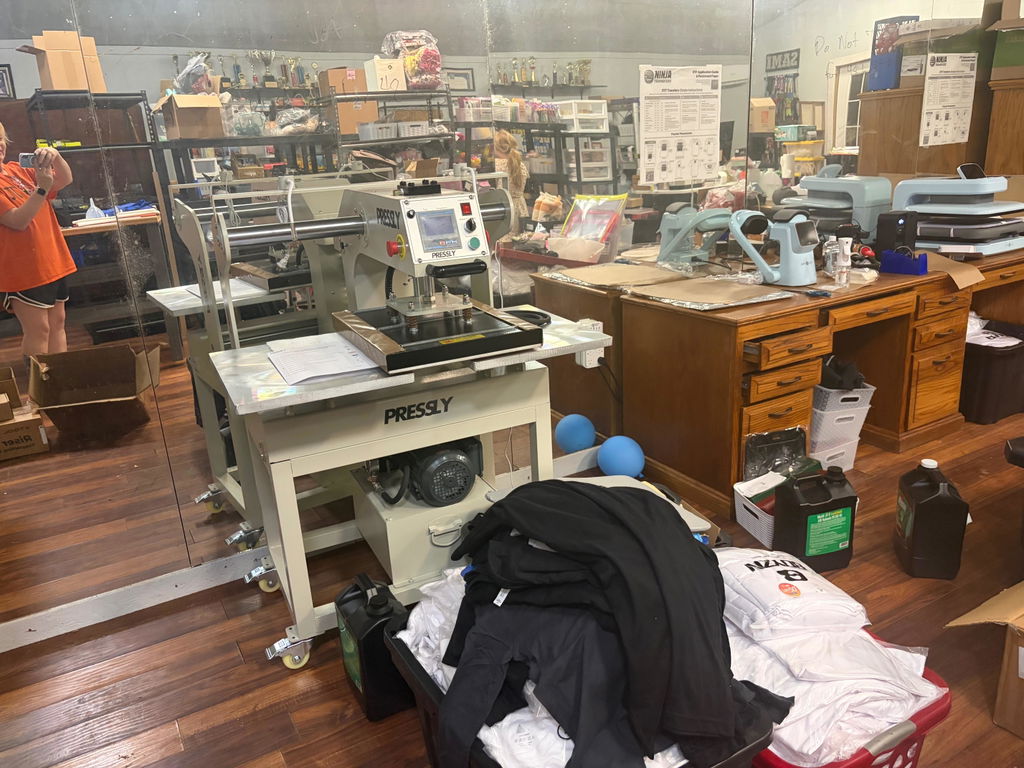
Leave a comment