
Common Causes of Cracking in DTF Transfers
DTF Transfers: A 2026 Durability Guide
In the world of custom apparel DTF Transfers, durability is the true test of quality. Customers in 2026 expect "apparel brilliance" that lasts through dozens of washes. Nothing ruins a brand's reputation faster than a print that cracks after the first laundry cycle.
Cracking isn't just bad luck; it is usually a technical error. This guide breaks down why DTF transfers crack and how you can prevent it.
1. Low-Quality or Moisture-Damaged DTF Powder
The adhesive powder is the bridge between your ink and the fabric. If this bridge is weak, the print will fail.
-
Inconsistent Coating: Using low-grade powder leads to uneven bonding.
-
Moisture Absorption: DTF powder attracts humidity. Damp powder creates bubbles and brittle spots.
-
The Fix: Always store your DTF Powder in a cool, dry place. Use high-quality, fine-grain powders for better elasticity.
2. Improper Curing and Melting Temperatures
Even the best supplies will fail if they aren't cured correctly. The powder must turn into a smooth, orange-peel-like texture.
-
Under-Curing: If the powder doesn't melt completely, it remains brittle and snaps when stretched.
-
Over-Curing: Too much heat can "burn" the adhesive, making it lose its flexibility.
-
The Solution: Use automated systems like the P6501 Powder Shaker Dryer. It ensures even heat distribution across the entire roll for consistent results.
3. Choosing the Wrong Ink for the Job
Not all inks are created equal. Elasticity is the most important factor for "apparel brilliance."
-
Cheap Inks: Low-cost inks often lack the necessary polymers to stretch with the fabric.
-
High Density: Too much ink can create a thick, stiff layer that is prone to snapping.
-
The Fix: Invest in the Best DTF Ink specifically formulated for 2026 industrial standards. High-end inks are designed to move with the garment.
4. Heat Press Pressure and Technique
The final application step is where many mistakes happen. Proper pressure is vital for a deep bond.
-
Uneven Pressure: Manual presses often apply more force in the center than the edges.
-
Insufficient Force: Without enough pressure, the ink stays on the surface rather than sinking into the fibers.
-
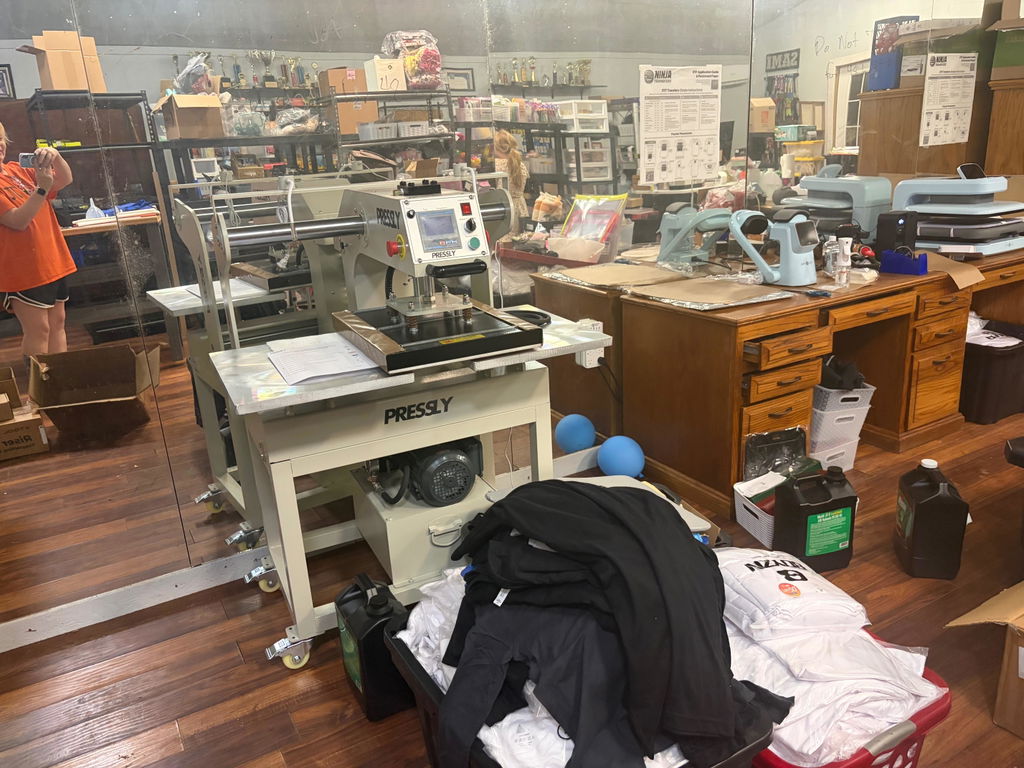
Pro-Tip: Use a Hydraulic Head Moving Heat Press. It provides massive, uniform pressure that locks the transfer into the fabric for 50+ washes.
5. Essential Checklist for 50+ Wash Durability
Follow these steps to ensure your prints stay perfect:
-
Pre-Press: Heat the garment for 5 seconds to remove moisture and wrinkles.
-
Calibrate: Regularly check your heat press temperature with a digital thermometer.
-
Second Press: After peeling the film, press again for 5 seconds using a finishing sheet (teflon or parchment).
-
Maintenance: Keep your printer in top shape with a 100ml cleaning kit to avoid ink flow issues.
Conclusion: Quality is Your Best Marketing DTF Transfers
Stopping cracks before they happen is the key to scaling your business. By using professional hardware like the P604 24" 4-Head DTF Printer and premium supplies, you guarantee "apparel brilliance" for every customer. Don't let a technical error stop your growth in 2026.
UV DTF Film Roll White
Instagram,
Facebook,
TikTok
YouTube
Pinterest
Leave a comment