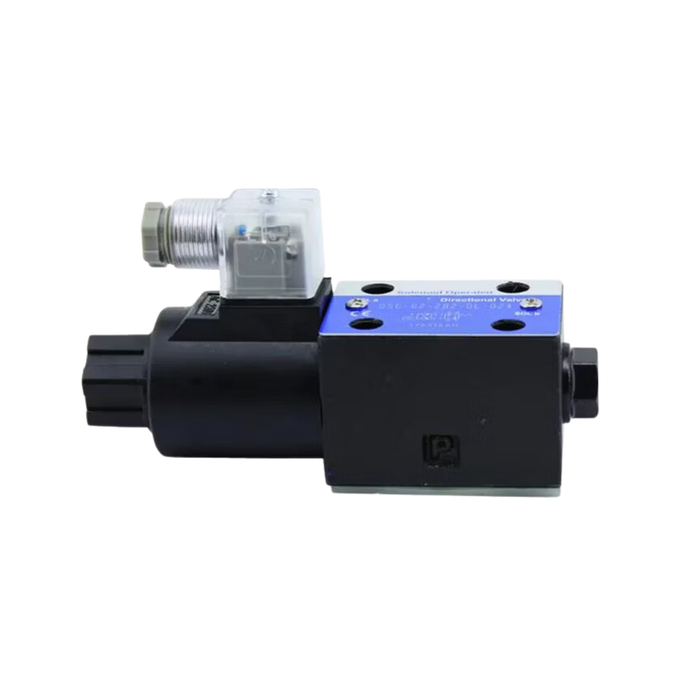
Atmospheric Pressure Directional Valve
Description
The Core Function of Atmospheric Pressure Directional Valve
A directional valve acts as a traffic controller for air. It determines the path of compressed air in a circuit. The Atmospheric Pressure Directional Valve is unique. It interacts with ambient air to reach equilibrium. This helps reset actuators and cylinders quickly.
When the valve shifts, it can supply or vent pressure. Venting air to the atmosphere reduces internal pressure. This matches the outside environment instantly. Without this control, movements become jerky and dangerous. Precision control keeps the machinery predictable.
In the dusting and curing stages of the DTF process, having access to the right replacement components is vital for maintaining an uninterrupted production line. To address wear and tear or prevent performance drops in your finishing equipment, you can explore the high-quality options in our
How Pressure Differentials Drive Efficiency Atmospheric Pressure Directional Valve
Pneumatic systems move air from high to low pressure. Atmospheric pressure is the ultimate "low" point. Valves that use this differential reduce cycle times. Opening a path to the atmosphere allows fast depressurization. This speed is critical for high-volume production.
Efficiency also leads to energy conservation. Properly sized valves reduce the compressor's workload. Optimizing the exhaust phase saves money. It lowers the total energy use of a factory. Smart venting is good for the environment.
Key Components and Design Features Atmospheric Pressure Directional Valve
This valve consists of precision-engineered parts. The main body is usually aluminum or steel. It houses an internal spool or poppet. This element moves to open or close air paths. Seals and O-rings prevent internal air leaks.
Most valves include built-in silencers at the exhaust port. High-pressure air is very loud when vented. Silencers protect workers' hearing in the factory. They break up the air stream to reduce noise. This happens without creating harmful backpressure.
Types of Actuation: Manual vs. Automatic Atmospheric Pressure Directional Valve
Valves are triggered in different ways. Manual valves are used for emergency stops. They are also helpful for maintenance tasks. However, most modern systems use solenoid valves. These are controlled by electrical signals.
Solenoid valves allow computer management of air flow. A PLC can trigger movements in milliseconds. This level of control enables robotic precision. The valve reacts instantly to every system need. It vents air the moment a task ends.
Applications in Industrial Automation Atmospheric Pressure Directional Valve
These valves serve many different industries. Automotive plants use them for pneumatic clamps. These clamps hold car frames during welding. In food plants, they manage high-speed pistons. These pistons fill and cap thousands of bottles.
Packaging machinery also relies on these components. Air is directed to fold boxes or apply labels. These systems often run 24 hours a day. Reliability is therefore a top priority. A failure in the exhaust port could jam the machine.
Maintenance and Longevity
Valves require clean and dry air to last. Dust and moisture can damage internal seals. Most setups include a filter and regulator unit. This unit cleans the air before it reaches the valve. It also adds a small amount of lubricant.
Regularly inspect the exhaust ports and silencers. Debris can clog the atmospheric vent over time. This leads to slower cycles and heat buildup. Keeping the path clear maintains peak performance. Simple maintenance prevents expensive downtime.
Safety and Fail-Safe Mechanisms
Safety is vital when using pressurized air. Directional valves often act as fail-safe parts. If power is lost, the valve shifts position. It vents all internal pressure to the atmosphere. This brings the machinery to a safe stop.
This configuration prevents accidental movements during outages. Engineers select specific valve types for emergencies. The atmospheric port is the key to safety. It de-energizes the pneumatic circuit immediately. Safety starts with proper valve selection.
Choosing the Right Valve for Your System
Selecting a valve requires checking technical specs. You must consider flow rate and port sizes. The operating pressure range is also important. A small valve creates a bottleneck. A large valve wastes air and costs more.
Consider the operating environment as well. Food plants require wash-down protection. High-temperature areas need specialized seals. Match the valve material to the factory conditions. This ensures the valve survives harsh treatment.
Conclusion
The Atmospheric Pressure Directional Valve is a silent hero. It directs air to and from the atmosphere. This enables high-speed and high-precision movements. These valves power everything from tools to assembly plants. They ensure pneumatic power is used safely.
High-quality valves improve your entire operation. Focus on precision engineering and regular cleaning. This keeps your pneumatic systems efficient for years. The right valve moves your business forward. It is the heart of automation.
To stay fully connected with the latest trends in custom printing and industrial solutions, follow us across our diverse social media platforms. You can find visual inspiration and creative project ideas on our
Specifications
Warranty
Spare parts do not carry a warranty, and no warranty coverage is provided after installation or use.
All spare parts are non-returnable and non-refundable. It is the customer's responsibility to verify and ensure the compatibility of any spare part with their equipment before placing an order. Spare parts offered by DTF Bank are specifically designed for and intended to be used with our equipment, and compatibility with third-party or modified machines cannot be guaranteed. Please review our Return & Refund Policy for complete details and additional information.
If a spare part arrives damaged or defective, do not open, install, or use the item. Please take clear photos of the outer packaging and, if the box shows signs of damage, record a video of the unboxing. Submit these materials through the Order Support Request Form on our website within 5 business days of receiving the item.
Please note that any spare part that has been opened, used, or installed is not eligible for return or replacement under any circumstances, even if it would otherwise qualify as damaged or defective.
Shipping
At DTF Bank, we use trusted carriers to ensure your spare parts are delivered safely and promptly, offering shipping methods such as ground or air.
Orders for spare parts placed before 2 PM Central Time (CT) are shipped the same business day to get your products to you as quickly as possible. Orders received after this time will be shipped the next business day.
Shipping costs will be calculated at checkout based on the location provided, the shipping option selected, and the total weight of the purchase.
Currently, DTF Bank does not offer international shipping and ships exclusively within the United States to focus on delivering the best possible service to our domestic customers.
DTF Bank is not responsible for any delays that occur after the package is handed over to the shipping company.
While we strive to meet all delivery times, there may be occasions due to unforeseen circumstances where deliveries could be delayed. We appreciate your understanding and patience in these instances.
For more details, check out our Shipping Policy.