Electromagnetic Relay
Description
Electromagnetic Relay
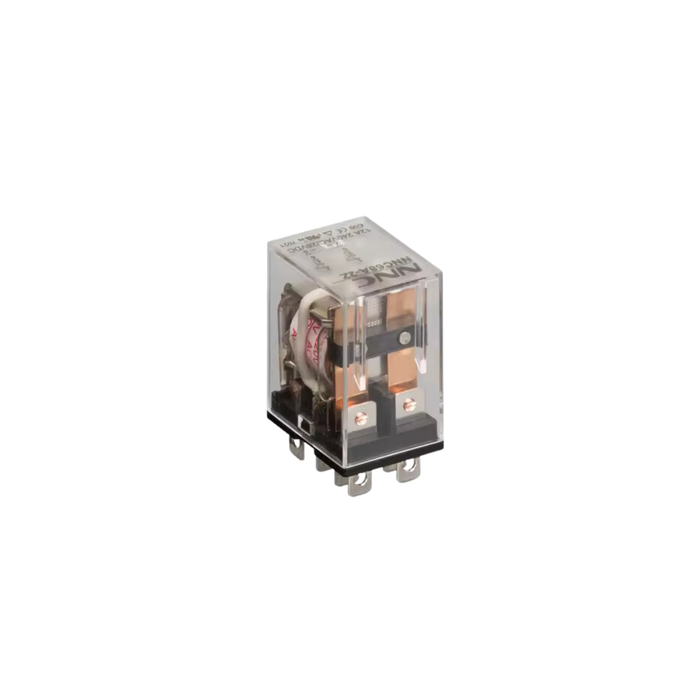
The Electromagnetic Relay is a fundamental building block of industrial automation. It acts as a device that converts electrical signals into mechanical switching actions. Essentially, it allows you to control a much higher current circuit using a low-current input. This feature is vital for protecting sensitive electronic components from high power loads. It serves as a silent but powerful guardian within a control panel. For those seeking a reliable switching solution, electromagnetic relays are the most economical and effective choice.
These devices are primarily used to provide "isolation" in automation systems. There is no physical connection between the input and output circuits. This prevents a short circuit or overcurrent in one circuit from jumping to the other side. In the complex structure of modern machinery, this safety layer is critical for system sustainability. Their durable housing and fast response times make them suitable for any industrial scenario. Quality begins with correct control.
Operating Principle and Coil Technology
The core mechanism inside an Electromagnetic Relay consists of an electromagnet. When electricity is supplied to the relay's coil, a strong magnetic field forms around an iron core. This magnetic field pulls a movable metal piece called the armature toward it. As the armature moves, the electrical contacts either touch or separate. When power is cut, a spring mechanism returns the contacts to their original position. This simple yet effective operation can be repeated millions of times without issue.
[Image: Internal diagram of an electromagnetic relay showing the coil, armature, and contacts]
Coil quality is the most important factor determining a relay's life and reliability. High-quality copper windings provide maximum pull force with minimum energy consumption. The coil voltage (5V, 12V, 24V, or 220V) must be selected according to the system's control unit. Choosing the wrong voltage may cause the relay to fail to close or overheat. Our coils are manufactured to engineering standards and maintain performance even in continuous duty modes.
Contact Structure and Material Quality
Another element determining relay performance is the contact points that conduct the current. Our Electromagnetic Relay models use silver alloy contacts (such as AgNi or AgSnO2) with high conductivity. These alloys are extremely resistant to electrical arcs. Arcing can cause contact surfaces to wear out or weld together over time. Selecting high-quality materials minimizes these risks and reduces maintenance costs.
[Image: Detailed view of silver alloy contacts in a relay]
Contact arrangements are usually offered as NO (Normally Open), NC (Normally Closed), or CO (Changeover). This variety allows you to manage multiple circuits simultaneously with a single signal. The current carrying capacity (Amps) varies based on the relay's size and type. In industrial applications, identifying the load type (resistive or inductive) is essential for correct contact selection. A solid contact structure ensures an uninterrupted energy flow.
Industrial Application Areas
Electromagnetic relays have a very wide range of uses. They appear everywhere from hydraulic pump control to the heating units of DTF printing machines. They are especially preferred for strengthening PLC (Programmable Logic Controller) outputs. Adding a relay layer to protect sensitive PLC outputs is the most professional approach. This increases the system's modularity and the speed of repair in case of failure.
These relays also play a critical role in safety systems. In emergency stop (E-stop) circuits, the reliability of electromagnetic relays is needed to cut energy instantly. Additionally, they are used in remote control systems to transmit a signal from a low-voltage receiver to a high-voltage motor. From home automation to heavy industry, wherever there is electricity, there is a need for switching. Relays meet this need in the safest way.
Durability and Protection Standards
Dusty, humid, or high-temperature factory environments are challenging for equipment. Therefore, our Electromagnetic Relay products are manufactured in compliance with sealing standards. Relays placed inside plastic enclosures prevent external contaminants from reaching the contacts. Our models with high IP ratings continue to work steadily even in harsh field conditions.
[Image: Relay with transparent dust cover and DIN rail socket]
For ease of installation, these relays are often used with socket systems. In case of a malfunction, it is enough to remove the relay from the socket and plug in a new one without disconnecting wires. This "plug-and-play" convenience minimizes downtime on production lines. Furthermore, DIN rail mounting options ensure that electrical panels remain organized and compact. An organized panel is the first step to a safe facility.
Energy Efficiency and Quiet Switching
Energy saving is more important than ever in the modern world. Our new generation electromagnetic relays consume very low amounts of power to keep the coil active. This reduces total energy costs, especially in large panels containing hundreds of relays. Additionally, thanks to low heat dissipation, the need for in-panel cooling is reduced. Efficiency should be sought in secondary consumption as well as main functions.
The mechanical sound produced during switching may be undesirable in some sensitive environments. Our design uses precision springs and damping mechanisms to minimize operating noise. This provides a more comfortable working environment. At the same time, softening the mechanical impact extends the life of internal parts. Silence and power come together in perfect engineering harmony.
Tips for Choosing the Right Relay
There are several basic parameters to consider when purchasing an Electromagnetic Relay. First, ensure your control voltage perfectly matches the coil voltage. Second, remember that your load current must be lower than the relay's nominal ampere rating. Third, switching frequency is important. In places requiring very fast and frequent opening and closing, the mechanical life of the relay should be checked.
Additionally, temperature fluctuations in the environment should be taken into account. Extreme temperatures can change coil resistance. Our products are calibrated to remain unaffected by such fluctuations with wide operating temperature ranges. Our technical support team is ready to guide you in determining the most suitable relay type for your project. The right choice is the guarantee of a long-lasting system.
Why Choose Our Relays?
Although there are many options on the market, the quality difference emerges in the long run. Our products fully comply with international safety certifications (CE, RoHS). Every single relay is tested thousands of times before leaving the factory. We do not want you to experience major downtime in your sensitive automation systems due to a low-quality component. Reliability is not just a word for us; it is a production standard.
At DTFBank, we offer solutions, not just products. With the wide range of products in our stocks, we can respond instantly to any technical need. Whether it is a small hobby project or a giant industrial facility, we have an electromagnetic relay suitable for every application. We never leave your work unfinished with fast shipping and technical support.
Conclusion
The Electromagnetic Relay is one of the most reliable and indispensable bridges in the electrical world. As explained in this 900-word guide, its simplicity, safety, and durability make it a staple of modern industry. A correctly selected relay protects your system and increases your efficiency. Choose our professional products to form the strongest link in your automation projects.
Update your aging panels or bring your new projects to life with us. The highest quality solutions for controlling energy and securing your systems are waiting for you here. Take one step closer to electrical excellence. Contact us today to determine the model best suited to your needs.
You are invited to join the DTF Bank world to stay updated on the latest printing techniques and find inspiration for your creative projects. Follow us on Instagram, Facebook, and TikTok to catch professional tips, product reviews, and exclusive deals. You can also subscribe to our YouTube channel for hands-on tutorials. If you are looking for visual ideas for your next project, explore our Pinterest boards, or connect with us on LinkedIn for corporate updates. For any questions or support requests, feel free to reach out to us anytime at info@dtfbank.com.
Specifications
Warranty
Spare parts do not carry a warranty, and no warranty coverage is provided after installation or use.
All spare parts are non-returnable and non-refundable. It is the customer's responsibility to verify and ensure the compatibility of any spare part with their equipment before placing an order. Spare parts offered by DTF Bank are specifically designed for and intended to be used with our equipment, and compatibility with third-party or modified machines cannot be guaranteed. Please review our Return & Refund Policy for complete details and additional information.
If a spare part arrives damaged or defective, do not open, install, or use the item. Please take clear photos of the outer packaging and, if the box shows signs of damage, record a video of the unboxing. Submit these materials through the Order Support Request Form on our website within 5 business days of receiving the item.
Please note that any spare part that has been opened, used, or installed is not eligible for return or replacement under any circumstances, even if it would otherwise qualify as damaged or defective.
Shipping
At DTF Bank, we use trusted carriers to ensure your spare parts are delivered safely and promptly, offering shipping methods such as ground or air.
Orders for spare parts placed before 2 PM Central Time (CT) are shipped the same business day to get your products to you as quickly as possible. Orders received after this time will be shipped the next business day.
Shipping costs will be calculated at checkout based on the location provided, the shipping option selected, and the total weight of the purchase.
Currently, DTF Bank does not offer international shipping and ships exclusively within the United States to focus on delivering the best possible service to our domestic customers.
DTF Bank is not responsible for any delays that occur after the package is handed over to the shipping company.
While we strive to meet all delivery times, there may be occasions due to unforeseen circumstances where deliveries could be delayed. We appreciate your understanding and patience in these instances.
For more details, check out our Shipping Policy.