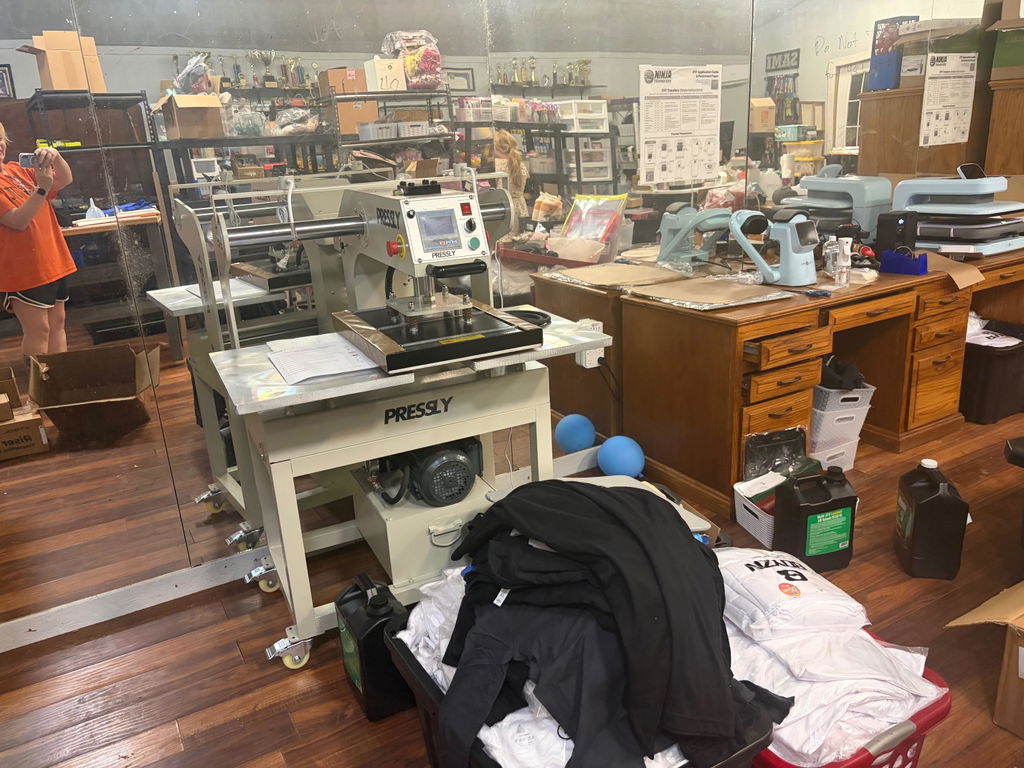
The Importance of High-Quality Heating Elements Heat Press Parts
The longevity and performance of your customization business depend heavily on the quality of your Heat Press Parts. Whether you operate a manual clamshell or a high-end pneumatic press, every component is subject to wear and tear over time. Maintaining your equipment with the correct replacement parts ensures consistent heat and pressure. This guide details the essential components required to keep your heat press running at peak efficiency for years to come.
The heating platen is the heart of any heat press machine. It is responsible for converting electrical energy into the thermal energy needed for transfers. Over time, internal coils can fail, leading to uneven heating or "cold spots." Replacing a faulty heating element is critical for ensuring that your DTF or vinyl designs bond correctly to the fabric.
High-quality heating platens feature a non-stick coating, usually made of Teflon. This prevents ink and adhesive from sticking to the metal surface during operation. If you notice your designs are pulling away or the fabric is scorching, it may be time to inspect the platen. A well-functioning heating element ensures that every square inch of your transfer receives the exact same temperature.
For professional results in garment transfers, the DTF Powder Collection provides the strongest bonding solutions. These thermoplastic powders ensure your ink adheres perfectly to fabric fibers, increasing wash resistance. They create a flexible, soft-hand feel that prevents prints from cracking or peeling over time. Available in both white and black, these powders work seamlessly with automatic shakers or manual setups. Choose high-quality adhesive powder to ensure your custom apparel stays durable and vibrant for years.
Digital Controllers and Temperature Sensors Heat Press Parts
Precision is everything in the world of heat transfer. The digital controller acts as the brain of the machine, managing both time and temperature settings. If your press is displaying incorrect temperatures or failing to count down, the controller or the thermocouple sensor may be faulty. Replacing these Heat Press Parts is a technical task that significantly restores the accuracy of your machine.
Modern controllers allow for fine adjustments, ensuring you can work with sensitive materials like polyester or spandex. The thermocouple sensor sits inside the platen to provide real-time data to the display. If this sensor fails, the machine might overheat, posing a fire hazard or damaging your garments. Keeping these electronics in top condition is essential for workplace safety and product quality.
Maintaining the ink flow stability and protecting the health of your printheads is essential for consistent output. Our Printhead Damper for Epson i3200 is engineered to filter impurities and regulate ink pressure within the delivery system. Specifically designed for high-resolution industrial printers, this durable damper prevents ink dropouts and air bubbles from reaching the nozzles. By ensuring a steady supply of ink, it helps maintain peak printing performance and extends the operational life of your Epson i3200 printheads.
Silicone Pads and Under-Platen Protection
The bottom platen of your press requires a high-density silicone pad to provide a cushioned surface. This pad ensures that the pressure is distributed evenly across the entire garment. Over hundreds of pressing cycles, these pads can become compressed or warped. A worn-out pad is often the hidden cause of peeling transfers and inconsistent adhesion.
Replacing your silicone pad can instantly improve the "feel" and results of your press. These pads are designed to withstand high temperatures without off-gassing or melting. Many professionals also use a Teflon wrap for the bottom platen to allow for easy sliding of garments. This combination of a fresh pad and a protective cover creates the perfect environment for a flawless transfer.
Pressure Adjustment Knobs and Bolts
Mechanical parts like adjustment knobs and bolts are the most handled components of a manual press. The pressure knob allows you to dial in the force required for different substrates, from thin t-shirts to thick hoodies. If the threads on these bolts become stripped, you lose the ability to apply firm pressure. This leads to transfers that look good initially but fail after the first wash.
High-quality replacement bolts are made from reinforced steel to handle the repetitive stress of industrial use. Maintaining these moving parts with heat-resistant lubricant prevents grinding and premature wear. Small hardware upgrades can make a significant difference in the ergonomics of your machine. A smooth-turning knob makes it easier for operators to switch between different production types quickly.
Gas Springs and Handle Assemblies
For clamshell heat presses, the gas spring (or shock) is what allows the machine to open smoothly and stay open safely. When these springs lose their tension, the heavy upper platen can drop unexpectedly, risking injury. Replacing a weak gas spring is a vital safety measure for any high-volume shop. It also reduces the physical effort required by the operator to open and close the machine.
Handle assemblies and foam grips also experience significant wear. A cracked handle or a worn-out grip can lead to hand fatigue and inconsistent downward force. Upgrading to an ergonomic handle with a fresh grip improves the user experience during long shifts. These mechanical Heat Press Parts are the primary interface between the user and the machine, so their condition matters.
Power Cables and Internal Wiring
Electrical safety should never be ignored in a heat-intensive environment. The power cable must be rated for the high amperage that a heat press pulls during its heating cycle. Frayed wires or loose connections inside the machine can cause short circuits or intermittent power loss. Regularly inspecting the internal wiring and replacing damaged cords is a fundamental maintenance task.
Internal fuses are another critical safety component. They protect the expensive digital controller and heating elements from power surges. If your machine won't turn on at all, a blown fuse is often the simplest and cheapest part to replace. Keeping a stock of spare fuses and high-quality power cables prevents unnecessary downtime during busy production periods.
Specialized Parts for Cap and Mug Presses
Not all heat press parts are for flatbeds; specialized machines require their own unique components. Cap presses utilize curved heating elements and specialized lower platens to fit the shape of a hat. Mug presses rely on circular heating wraps that can become brittle after extensive use. These wraps are consumables that must be replaced periodically to maintain even pressure around the mug.
Having the right attachments for your multi-function press allows you to expand your product line. From plate heaters to pen adapters, these parts must be compatible with your specific machine's connector type. Using genuine or high-grade compatible parts ensures that the electrical signals are transmitted correctly. This prevents damage to the main control unit while switching between different attachments.
Teflon Sheets and Protective Wraps
While technically accessories, Teflon sheets and wraps are essential for the daily operation of any heat press. They act as a barrier between the heating platen and the transfer film or garment. This prevents "ghosting," where ink from a previous print transfers onto the next shirt. Teflon is also vital for the "second press" technique used to lock DTF designs into the fabric.
Protective wraps for the upper and lower platens keep your machine looking and performing like new. They catch excess adhesive or ink leaks, preventing them from baking onto the metal surfaces. Cleaning a Teflon wrap is much easier than cleaning a raw metal platen. Investing in a pack of high-quality sheets is the easiest way to maintain a clean and professional workspace.
Diagnosing Part Failure Before It Happens
The best way to manage Heat Press Parts is through proactive inspection. Listen for unusual squeaks, watch for flickering displays, and use an infrared thermometer to check for cold spots. Catching a failing sensor or a thinning silicone pad early can save you from ruining an expensive batch of custom garments. A well-maintained machine is a reliable source of income for your business.
Creating a maintenance log for your heat press is a professional habit. Note when you last replaced the silicone pad or the gas springs. This allows you to predict when the next replacement will be needed based on your production volume. Preventive maintenance is always more cost-effective than emergency repairs during a rush order.
Conclusion
High-quality Heat Press Parts are the backbone of a successful customization shop. From the digital brain of the controller to the physical cushion of the silicone pad, every part must function perfectly. By understanding and maintaining these components, you ensure that your business delivers consistent, retail-quality results. Your equipment is an investment; protect it with the right parts and regular care.
Upgrade your hardware today and see the difference in your production speed and transfer durability. A smooth-operating press is a joy to use and a powerhouse for your creative output. Don't let a small part failure slow down your journey toward building a successful custom apparel brand.
To stay updated on DTF Bank’s latest printing solutions, you can join their active social media community. Follow them on
HYDRO1620 Heat Press Parts
The Importance of High-Quality Heating Elements Heat Press Parts
The longevity and performance of your customization business depend heavily on the quality of your Heat Press Parts. Whether you operate a manual clamshell or a high-end pneumatic press, every component is subject to wear and tear over time. Maintaining your equipment with the correct replacement parts ensures consistent heat and pressure. This guide details the essential components required to keep your heat press running at peak efficiency for years to come.
The heating platen is the heart of any heat press machine. It is responsible for converting electrical energy into the thermal energy needed for transfers. Over time, internal coils can fail, leading to uneven heating or "cold spots." Replacing a faulty heating element is critical for ensuring that your DTF or vinyl designs bond correctly to the fabric.
High-quality heating platens feature a non-stick coating, usually made of Teflon. This prevents ink and adhesive from sticking to the metal surface during operation. If you notice your designs are pulling away or the fabric is scorching, it may be time to inspect the platen. A well-functioning heating element ensures that every square inch of your transfer receives the exact same temperature.
For professional results in garment transfers, the DTF Powder Collection provides the strongest bonding solutions. These thermoplastic powders ensure your ink adheres perfectly to fabric fibers, increasing wash resistance. They create a flexible, soft-hand feel that prevents prints from cracking or peeling over time. Available in both white and black, these powders work seamlessly with automatic shakers or manual setups. Choose high-quality adhesive powder to ensure your custom apparel stays durable and vibrant for years.
Digital Controllers and Temperature Sensors Heat Press Parts
Precision is everything in the world of heat transfer. The digital controller acts as the brain of the machine, managing both time and temperature settings. If your press is displaying incorrect temperatures or failing to count down, the controller or the thermocouple sensor may be faulty. Replacing these Heat Press Parts is a technical task that significantly restores the accuracy of your machine.
Modern controllers allow for fine adjustments, ensuring you can work with sensitive materials like polyester or spandex. The thermocouple sensor sits inside the platen to provide real-time data to the display. If this sensor fails, the machine might overheat, posing a fire hazard or damaging your garments. Keeping these electronics in top condition is essential for workplace safety and product quality.
Maintaining the ink flow stability and protecting the health of your printheads is essential for consistent output. Our Printhead Damper for Epson i3200 is engineered to filter impurities and regulate ink pressure within the delivery system. Specifically designed for high-resolution industrial printers, this durable damper prevents ink dropouts and air bubbles from reaching the nozzles. By ensuring a steady supply of ink, it helps maintain peak printing performance and extends the operational life of your Epson i3200 printheads.
Silicone Pads and Under-Platen Protection
The bottom platen of your press requires a high-density silicone pad to provide a cushioned surface. This pad ensures that the pressure is distributed evenly across the entire garment. Over hundreds of pressing cycles, these pads can become compressed or warped. A worn-out pad is often the hidden cause of peeling transfers and inconsistent adhesion.
Replacing your silicone pad can instantly improve the "feel" and results of your press. These pads are designed to withstand high temperatures without off-gassing or melting. Many professionals also use a Teflon wrap for the bottom platen to allow for easy sliding of garments. This combination of a fresh pad and a protective cover creates the perfect environment for a flawless transfer.
Pressure Adjustment Knobs and Bolts
Mechanical parts like adjustment knobs and bolts are the most handled components of a manual press. The pressure knob allows you to dial in the force required for different substrates, from thin t-shirts to thick hoodies. If the threads on these bolts become stripped, you lose the ability to apply firm pressure. This leads to transfers that look good initially but fail after the first wash.
High-quality replacement bolts are made from reinforced steel to handle the repetitive stress of industrial use. Maintaining these moving parts with heat-resistant lubricant prevents grinding and premature wear. Small hardware upgrades can make a significant difference in the ergonomics of your machine. A smooth-turning knob makes it easier for operators to switch between different production types quickly.
Gas Springs and Handle Assemblies
For clamshell heat presses, the gas spring (or shock) is what allows the machine to open smoothly and stay open safely. When these springs lose their tension, the heavy upper platen can drop unexpectedly, risking injury. Replacing a weak gas spring is a vital safety measure for any high-volume shop. It also reduces the physical effort required by the operator to open and close the machine.
Handle assemblies and foam grips also experience significant wear. A cracked handle or a worn-out grip can lead to hand fatigue and inconsistent downward force. Upgrading to an ergonomic handle with a fresh grip improves the user experience during long shifts. These mechanical Heat Press Parts are the primary interface between the user and the machine, so their condition matters.
Power Cables and Internal Wiring
Electrical safety should never be ignored in a heat-intensive environment. The power cable must be rated for the high amperage that a heat press pulls during its heating cycle. Frayed wires or loose connections inside the machine can cause short circuits or intermittent power loss. Regularly inspecting the internal wiring and replacing damaged cords is a fundamental maintenance task.
Internal fuses are another critical safety component. They protect the expensive digital controller and heating elements from power surges. If your machine won't turn on at all, a blown fuse is often the simplest and cheapest part to replace. Keeping a stock of spare fuses and high-quality power cables prevents unnecessary downtime during busy production periods.
Specialized Parts for Cap and Mug Presses
Not all heat press parts are for flatbeds; specialized machines require their own unique components. Cap presses utilize curved heating elements and specialized lower platens to fit the shape of a hat. Mug presses rely on circular heating wraps that can become brittle after extensive use. These wraps are consumables that must be replaced periodically to maintain even pressure around the mug.
Having the right attachments for your multi-function press allows you to expand your product line. From plate heaters to pen adapters, these parts must be compatible with your specific machine's connector type. Using genuine or high-grade compatible parts ensures that the electrical signals are transmitted correctly. This prevents damage to the main control unit while switching between different attachments.
Teflon Sheets and Protective Wraps
While technically accessories, Teflon sheets and wraps are essential for the daily operation of any heat press. They act as a barrier between the heating platen and the transfer film or garment. This prevents "ghosting," where ink from a previous print transfers onto the next shirt. Teflon is also vital for the "second press" technique used to lock DTF designs into the fabric.
Protective wraps for the upper and lower platens keep your machine looking and performing like new. They catch excess adhesive or ink leaks, preventing them from baking onto the metal surfaces. Cleaning a Teflon wrap is much easier than cleaning a raw metal platen. Investing in a pack of high-quality sheets is the easiest way to maintain a clean and professional workspace.
Diagnosing Part Failure Before It Happens
The best way to manage Heat Press Parts is through proactive inspection. Listen for unusual squeaks, watch for flickering displays, and use an infrared thermometer to check for cold spots. Catching a failing sensor or a thinning silicone pad early can save you from ruining an expensive batch of custom garments. A well-maintained machine is a reliable source of income for your business.
Creating a maintenance log for your heat press is a professional habit. Note when you last replaced the silicone pad or the gas springs. This allows you to predict when the next replacement will be needed based on your production volume. Preventive maintenance is always more cost-effective than emergency repairs during a rush order.
Conclusion
High-quality Heat Press Parts are the backbone of a successful customization shop. From the digital brain of the controller to the physical cushion of the silicone pad, every part must function perfectly. By understanding and maintaining these components, you ensure that your business delivers consistent, retail-quality results. Your equipment is an investment; protect it with the right parts and regular care.
Upgrade your hardware today and see the difference in your production speed and transfer durability. A smooth-operating press is a joy to use and a powerhouse for your creative output. Don't let a small part failure slow down your journey toward building a successful custom apparel brand.
To stay updated on DTF Bank’s latest printing solutions, you can join their active social media community. Follow them on

Original price
$34.99
-
Original price
$34.99
Original price
$34.99
$34.99
-
$34.99
Current price
$34.99
Positioning Rod
PRESSLY
In stock
Local Pickup & Shipping
Positioning Rod Precision is the most important factor determining the success of a business in industrial production. The Positioning Rod is a cri...
View full details
Original price
$34.99
-
Original price
$34.99
Original price
$34.99
$34.99
-
$34.99
Current price
$34.99

Original price
$34.99
-
Original price
$34.99
Original price
$34.99
$34.99
-
$34.99
Current price
$34.99
Power Switch
SCHNEIDER
In stock
Local Pickup & Shipping
Power Switch In the industrial world, machine control starts with the first touch that initiates energy. A Power Switch is the most fundamental mec...
View full details
Original price
$34.99
-
Original price
$34.99
Original price
$34.99
$34.99
-
$34.99
Current price
$34.99

Original price
$22.99
-
Original price
$22.99
Original price
$22.99
$22.99
-
$22.99
Current price
$22.99
Proximity Switch Two-Wire AC NC LJ12A3-4-J/DZ - 90-250VAC
PRESSLY
In stock
Local Pickup & Shipping
AC NC LJ12A3-4-J/DZ - 90-250VAC
Original price
$22.99
-
Original price
$22.99
Original price
$22.99
$22.99
-
$22.99
Current price
$22.99
Original price
$22.99
-
Original price
$22.99
Original price
$22.99
$22.99
-
$22.99
Current price
$22.99
Proximity Switch Two-Wire DC NO LJ12A3-4-Z/EX - 6-36VDC
PRESSLY
In stock
Local Pickup & Shipping
DC NO LJ12A3-4-Z/EX - 6-36VDC
Original price
$22.99
-
Original price
$22.99
Original price
$22.99
$22.99
-
$22.99
Current price
$22.99

Original price
$13.99
-
Original price
$13.99
Original price
$13.99
$13.99
-
$13.99
Current price
$13.99
Selector Switch
PRESSLY
In stock
Local Pickup & Shipping
What is a Selector Switch? In the world of industrial automation and electrical control, the Selector Switch is a fundamental component. It acts as...
View full details
Original price
$13.99
-
Original price
$13.99
Original price
$13.99
$13.99
-
$13.99
Current price
$13.99

Original price
$10.99
-
Original price
$10.99
Original price
$10.99
$10.99
-
$10.99
Current price
$10.99
Selector Switch Body Part
PRESSLY
In stock
Local Pickup & Shipping
The Role of the Mounting Adapter Selector Switch Body Part The Selector Switch Body Part, often referred to as the switch base or mounting adapter,...
View full details
Original price
$10.99
-
Original price
$10.99
Original price
$10.99
$10.99
-
$10.99
Current price
$10.99

Original price
$49.99
-
Original price
$49.99
Original price
$49.99
$49.99
-
$49.99
Current price
$49.99
Silicone Pad 16x20" Orange
PRESSLY
In stock
Local Pickup & Shipping
The Science of Even Pressure Distribution Silicone Pad In the world of heat transfers, pressure is just as important as temperature. If your heat p...
View full details
Original price
$49.99
-
Original price
$49.99
Original price
$49.99
$49.99
-
$49.99
Current price
$49.99

Original price
$14.99
-
Original price
$14.99
Original price
$14.99
$14.99
-
$14.99
Current price
$14.99
Sliding Handle for Hydro1620 Heat Press
PRESSLY
In stock
Local Pickup & Shipping
Sliding Handle for Pressly Hydro1620 Hydraulic Heat Press
Original price
$14.99
-
Original price
$14.99
Original price
$14.99
$14.99
-
$14.99
Current price
$14.99

Original price
$14.99
-
Original price
$14.99
Original price
$14.99
$14.99
-
$14.99
Current price
$14.99
Snap Action Switch - Omron V-156-1C25
OMRON
In stock
Local Pickup & Shipping
Omron V-156-1C2515AGP 1/2HP 125 250VAC0.6RA 125VDC 0.3RA 250VDC
Original price
$14.99
-
Original price
$14.99
Original price
$14.99
$14.99
-
$14.99
Current price
$14.99

Original price
$59.99
-
Original price
$59.99
Original price
$59.99
$59.99
-
$59.99
Current price
$59.99
Solid State Relay G3NB-240B-1 220VAC 40A
OMRON
In stock
Local Pickup & Shipping
Make: OmronModel: G3NB-240B-1Voltage: 24-220VAC 40A 50/60 Hz
Original price
$59.99
-
Original price
$59.99
Original price
$59.99
$59.99
-
$59.99
Current price
$59.99

Original price
$13.99
-
Original price
$13.99
Original price
$13.99
$13.99
-
$13.99
Current price
$13.99
Thermocouple Temperature Sensor Probe
PRESSLY
In stock
Local Pickup & Shipping
Thermocouple Temperature Sensor Probe Accurate temperature measurement is the most fundamental factor determining product quality in industrial pro...
View full details
Original price
$13.99
-
Original price
$13.99
Original price
$13.99
$13.99
-
$13.99
Current price
$13.99
Let customers speak for us
IMPRESSIVE
I’m a complete beginner, and I’m honestly impressed with how easy this is to use! The setup was simple, everything is straightforward, and I was able to get started right away. If you’re new to this like I am, don’t be intimidated. I highly recommend it!
Cindi Phillips

I love it!!!!
April
Great product
This is my first time using dtf bank ink, and everything seems good quality.
It is reasonably priced.
I hope to continue buying this product in the future.
CustomerRENE RODRIGUEZ

great product that really works
Timothy

Should have got this sooner. So amazing. I love it
Dominique
Love the new press ❤️
The press is amazing and unbelievable Customer service ⭐️⭐️⭐️⭐️⭐️
Sharri Oaks
Ink
I look forward to trying your ink
Scott Daily

Just as described !!!!
This machine has been a game changer for us.
Guadalupe
Game changer
What game changer this has already been for our business. So much better than what he had before. Only regret is not buying one sooner
Scott Paavo
Great products and Delivery. 👍🏾
Cleo Harris Jr

Great products and Delivery. 👍🏾
Cleo Harris Jr
Great products and Delivery. 👍🏾
Cleo Harris Jr

Great products and Delivery. 👍🏾
Cleo Harris Jr

Great products and Delivery. 👍🏾
Cleo Harris Jr

Great products and Delivery. 👍🏾
Cleo Harris Jr