
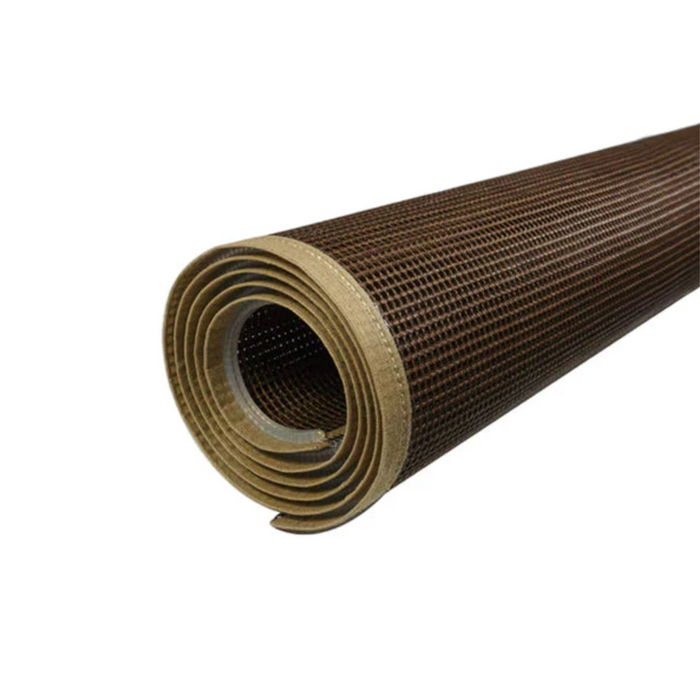

Dryer Belt
Description
Dryer Belt: Optimizing the Curing Process in Digital Printing
In the professional printing industry, a dryer belt is far more than a simple conveyor. It is a precision component designed to transport printed materials through high-temperature curing tunnels. Whether you are working with DTF, screen printing, or industrial inkjet, the belt is the backbone of your finishing line.
The primary role of a dryer belt is to provide a stable and heat-resistant surface for wet prints. It ensures that every item moves at a consistent speed through the heating chamber. This consistency is what guarantees a perfect cure and prevents ink migration or scorching.
If you are experiencing inconsistent movement or stalling during the curing process, it may be time to inspect your conveyor system's hardware. A high-quality
Heat Resistance and Material Composition
Dryer belts used in printing must withstand extreme thermal stress without deforming. Most high-quality belts are made from PTFE-coated fiberglass or Kevlar. These materials are chosen for their ability to remain stable at temperatures exceeding 200°C.
The PTFE coating provides a non-stick surface that is crucial for delicate prints. If ink or adhesive touches the belt, it won't bond, making cleaning much easier. This coating also protects the internal fibers from chemical damage caused by inks and solvents.
Fiberglass cores offer excellent dimensional stability, meaning the belt won't stretch under heat. Kevlar versions are often used in heavy-duty applications where mechanical strength is a priority. Choosing the right material ensures your production line runs without frequent adjustments.
The Importance of Mesh Openings for Airflow
In curing systems, airflow is just as important as heat. Most dryer belts feature an open-mesh design that allows hot air to circulate around the entire product. This 360-degree exposure ensures that the ink cures evenly from the top and bottom.
The size of the mesh opening (such as 4x4 mm) determines the balance between support and airflow. Smaller mesh sizes provide better support for thin films or small items. Larger openings maximize air circulation, which is ideal for heavy garments like hoodies.
Proper airflow prevents "cool spots" on the belt surface that could lead to under-cured prints. Under-curing is a major issue as it leads to poor wash fastness and customer complaints. A well-chosen mesh belt eliminates these risks by maintaining thermal uniformity.
Tracking and Tensioning in Production Lines
A dryer belt must stay perfectly centered on the rollers to avoid edge damage. This process is known as "tracking" and is vital for the longevity of the belt. If a belt drifts to one side, it can fray against the dryer frame.
Many industrial belts come with reinforced edges or tracking guides to prevent drifting. These guides act as a fail-safe during long production runs. Maintaining proper tension is equally important to prevent the belt from slipping on the drive rollers.
Automatic tensioning systems help compensate for the natural expansion of the belt when it heats up. If the tension is too high, the belt may snap; if it's too low, the movement becomes jerky. Precise tracking and tensioning keep your printing workflow smooth and predictable.
DTF Curing and Specialized Belt Requirements
The rise of DTF (Direct to Film) printing has changed the requirements for dryer belts. DTF films are lightweight and require a very flat surface during the powder curing stage. A belt that ripples or waves can cause the adhesive powder to shift, ruining the print.
DTF dryers often use vacuum systems integrated with the belt to keep the film flat. The mesh must be compatible with these vacuum systems to ensure the film doesn't lift. High-quality DTF belts ensure that the curing tunnel achieves a consistent "orange peel" texture on the adhesive.
Because DTF involves melted TPU powder, the belt must be exceptionally easy to clean. Any buildup of cured powder can create bumps on the belt surface. These bumps could interfere with the heat transfer of future jobs, making a smooth PTFE surface essential.
Screen Printing and High-Volume Drying
In traditional screen printing, dryer belts handle a high volume of heavy textiles. Plastisol inks require a specific temperature for a specific duration to reach a full cure. The belt speed must be perfectly calibrated to the length of the dryer tunnel.
Heavy garments like denim or fleece put significant weight on the conveyor system. A high-strength belt prevents sagging, which could move the garment further away from the heating elements. This stability ensures that the "dwell time" in the heat zone is consistent for every piece.
For water-based inks, the belt plays a role in moisture evaporation. The open mesh allows steam to escape efficiently, speeding up the drying process. This is why choosing a belt with the correct porosity is critical for shops switching between ink types.
Longevity and Maintenance of Printing Belts
A dryer belt is an investment that can last for years with the right care. Regular cleaning is the most important maintenance task for any printing shop. Removing ink spills and dust prevents the belt from becoming brittle or abrasive.
Inspecting the seams of the belt is also a crucial weekly routine. The seam is often the weakest point and is where most failures begin. Using "Alligator" or "Bullnose" lacing styles provides a strong, flexible connection that survives thousands of cycles.
Avoid leaving the belt stationary while the heat lamps or burners are at full power. This can cause localized overheating and weaken the belt material. Always allow the dryer to go through a cool-down cycle before stopping the belt completely.
Selecting the Right Belt for Your Equipment
When ordering a replacement belt, you need precise measurements of the width and total length. You should also consider the type of drive system your dryer uses. Some machines require specific edge reinforcements or specialized lacing to function correctly.
Consulting with a specialist can help you determine if a different mesh size could improve your cure times. Often, upgrading to a higher-quality PTFE coating can reduce maintenance and improve throughput. The right belt will not only last longer but will also improve the overall quality of your printed products.
Final Thoughts on Dryer Belt Performance
The dryer belt is the silent partner in your printing success. It ensures that your hard work in the design and printing stages isn't lost during the final cure. By prioritizing material quality and proper maintenance, you protect your equipment and your reputation.
Whether you are curing DTF films or high-end screen prints, the belt is your primary control factor. Investing in a premium dryer belt pays for itself through reduced downtime and consistent results. Keep your production moving forward with a belt designed for the demands of modern printing.
You are invited to join the DTF Bank world to stay updated on the latest printing techniques and find inspiration for your creative projects. Follow us on
Specifications
Shipping
At DTF Bank, we use trusted carriers to ensure your spare parts are delivered safely and promptly, offering shipping methods such as ground or air.
Orders for spare parts placed before 2 PM Central Time (CT) are shipped the same business day to get your products to you as quickly as possible. Orders received after this time will be shipped the next business day.
Shipping costs will be calculated at checkout based on the location provided, the shipping option selected, and the total weight of the purchase.
Currently, DTF Bank does not offer international shipping and ships exclusively within the United States to focus on delivering the best possible service to our domestic customers.
DTF Bank is not responsible for any delays that occur after the package is handed over to the shipping company.
While we strive to meet all delivery times, there may be occasions due to unforeseen circumstances where deliveries could be delayed. We appreciate your understanding and patience in these instances.
For more details, check out our Shipping Policy.