
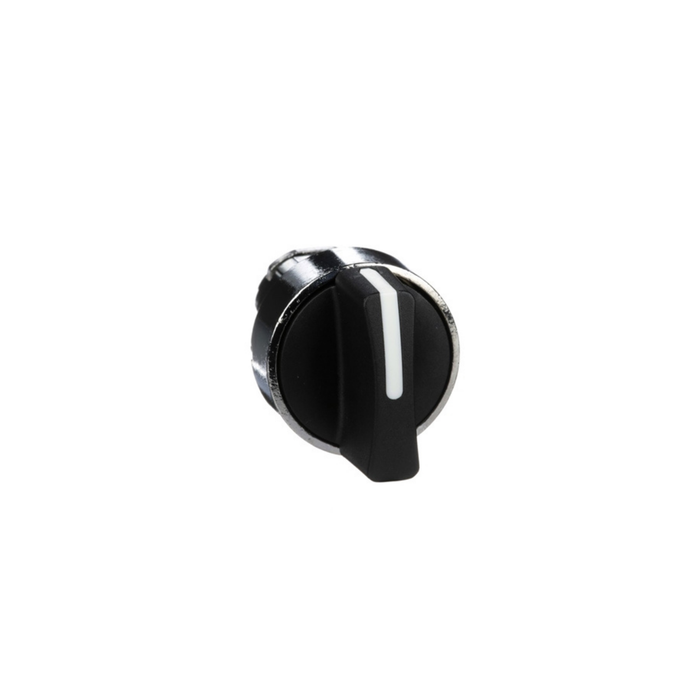
Selector Switch
Description
What is a Selector Switch?
In the world of industrial automation and electrical control, the Selector Switch is a fundamental component. It acts as the primary interface between human operators and complex machinery. Unlike a simple push-button that provides momentary action, this switch allows for defined state selection. It is designed to stay in a specific position to maintain a chosen operating mode. This reliability makes it a staple in control panels, power distribution units, and manufacturing lines across the globe.
A selector switch is a mechanical switch that is operated by a rotating handle or knob. Its primary purpose is to select one of several possible circuit paths. By turning the actuator, the operator can engage different electrical contacts inside the device. These switches are often used for "On/Off" functions or for choosing between "Manual" and "Auto" modes. The physical position of the knob provides an immediate visual confirmation of the system's status.
The internal mechanism of a selector switch is built to handle repeated use in demanding environments. It typically consists of an operator, a mounting base, and one or more contact blocks. These contact blocks can be customized to suit specific electrical requirements. Because of this modular design, a single switch can control multiple independent circuits simultaneously. This flexibility is what makes it a preferred choice for engineers designing modern control systems.
To maintain the performance and longevity of your printing systems, having high-quality spare parts and auxiliary equipment is of great importance. To prevent potential interruptions in your production process and ensure your machines always operate with day-one efficiency, you can browse our
Key Types of Selector Switch Actuators
There are several variations of selector switch actuators, each designed for a specific ergonomic or safety need. The standard knob is the most common type, offering a simple grip for quick rotation. For environments where operators wear heavy industrial gloves, lever-style actuators are often used. These provide a larger surface area and more leverage, making the switch easier to operate in rugged conditions.
Key-operated selector switches are another vital category. These require a physical key to be inserted before the switch can be turned. This is a crucial safety feature for preventing unauthorized personnel from changing critical machine settings. In high-risk industrial settings, ensuring that only trained technicians can switch a machine into "Maintenance Mode" can prevent catastrophic accidents and equipment damage.
Maintained vs. Spring Return Actions
When choosing a selector switch, one must decide between maintained and spring-return actions. A maintained switch, also known as a "stay-put" switch, remains in the position to which it was turned. This is ideal for selecting long-term modes, such as choosing a power source. The operator can walk away, and the system will continue to run in that specific state until it is manually changed again.
Spring-return switches, on the other hand, are designed to snap back to a default position when released. These are often used for temporary actions, such as "Jogging" a motor or performing a system test. The spring mechanism ensures that the machine does not stay in a temporary state by accident. This functionality is essential for processes that require constant operator presence or for functions that could be dangerous if left "On" permanently.
Contact Blocks and Electrical Configuration
The heart of the selector switch lies in its contact blocks. These blocks contain the electrical terminals that open or close the circuit. They are typically labeled as Normally Open (NO) or Normally Closed (NC). In a 2-position switch, turning the knob might close one NO contact to start a motor. In a 3-position switch, the center position might be "Off," while the left and right positions trigger different functions.
The modularity of these contact blocks is a significant advantage for system builders. You can stack multiple blocks on a single switch body to create complex logic paths. For instance, a single turn of a selector switch could turn on a cooling fan while simultaneously engaging a safety light. This consolidated control reduces the number of components needed on a panel, saving both space and installation costs.
Industrial Applications and Use Cases
The versatility of the Selector Switch allows it to be used in nearly every industrial sector. In the food and beverage industry, they are used to switch between different production recipes on a conveyor line. In HVAC systems, they allow building managers to toggle between "Heating," "Cooling," and "Ventilation" modes. Their clear, physical interface is often more intuitive than navigating a digital touchscreen in a busy work environment.
In power management, selector switches are used to transfer loads between different power supplies. For example, a switch might allow a facility to transition from the main electrical grid to a backup generator. Because these switches are physically robust, they can handle the electrical inrush associated with large-scale industrial equipment. Their reliability ensures that critical infrastructure stays operational even during power fluctuations.
Environmental Protection and Durability
Industrial switches are often exposed to harsh conditions, including dust, oil, and moisture. To combat this, most selector switches are built to meet NEMA or IP (Ingress Protection) standards. An IP65-rated switch is protected against dust and low-pressure water jets, making it suitable for indoor industrial use. For outdoor or marine applications, higher ratings like IP67 or IP69K provide protection against submersion and high-pressure steam cleaning.
The materials used in construction are also chosen for their resistance to chemicals and impact. Polycarbonate and chrome-plated metal are common materials for the bezels and knobs. Inside, the contacts are often made of silver or are gold-plated to ensure high conductivity and prevent oxidation. This heavy-duty construction ensures that the switch can withstand millions of operations without failing, providing a low total cost of ownership.
Installation and Mounting Standards
Standardization is a key benefit of modern industrial components. Most selector switches are designed to fit into 22mm or 30mm diameter holes, which are the industry standards for control panels. This means that switches from different manufacturers are often interchangeable. This compatibility simplifies the design process for engineers and makes it easier for maintenance teams to find replacement parts quickly.
Proper installation involves securing the switch to the panel with a locking ring and then snapping the contact blocks into place. It is essential to ensure that the wiring is tight and that the terminals are correctly labeled. Using color-coded wires and clear nameplates around the switch helps operators identify functions at a glance. Good panel organization not only improves efficiency but also enhances the overall safety of the electrical installation.
Selecting the Right Switch for Your Project
Choosing the right selector switch requires a clear understanding of your system's needs. You must consider the number of positions required, the type of actuation, and the electrical load. Additionally, the environmental conditions of the installation site will dictate the necessary IP rating. It is also important to think about the user experience; for example, a lever-style switch might be better for an operator who needs to make frequent changes.
Consulting a technical data sheet is always recommended to verify the voltage and current ratings. Using a switch that is under-rated for your application can lead to arcing and premature failure. By matching the switch specifications perfectly to your machine's requirements, you ensure a safe and reliable control interface. High-quality components are the foundation of a robust and efficient automated system.
Conclusion
The Selector Switch remains an essential tool for manual control in the age of automation. Its combination of physical feedback, modular design, and environmental resilience makes it a reliable choice for any industrial application. Whether you are controlling a simple pump or a complex assembly line, the right selector switch provides the precision and safety you need to keep your operations running smoothly.
Investing in premium switches is an investment in the longevity of your equipment. By choosing durable, well-rated components, you reduce downtime and improve the safety of your workplace. The simple, mechanical certainty of a selector switch is a feature that digital interfaces can rarely match. It is a classic solution that continues to meet the demands of modern industry.
To stay fully connected with the latest trends in custom printing and industrial solutions, follow us across our diverse social media platforms. You can find visual inspiration and creative project ideas on our
Specifications
Warranty
Spare parts do not carry a warranty, and no warranty coverage is provided after installation or use.
All spare parts are non-returnable and non-refundable. It is the customer's responsibility to verify and ensure the compatibility of any spare part with their equipment before placing an order. Spare parts offered by DTF Bank are specifically designed for and intended to be used with our equipment, and compatibility with third-party or modified machines cannot be guaranteed. Please review our Return & Refund Policy for complete details and additional information.
If a spare part arrives damaged or defective, do not open, install, or use the item. Please take clear photos of the outer packaging and, if the box shows signs of damage, record a video of the unboxing. Submit these materials through the Order Support Request Form on our website within 5 business days of receiving the item.
Please note that any spare part that has been opened, used, or installed is not eligible for return or replacement under any circumstances, even if it would otherwise qualify as damaged or defective.
Shipping
At DTF Bank, we use trusted carriers to ensure your spare parts are delivered safely and promptly, offering shipping methods such as ground or air.
Orders for spare parts placed before 2 PM Central Time (CT) are shipped the same business day to get your products to you as quickly as possible. Orders received after this time will be shipped the next business day.
Shipping costs will be calculated at checkout based on the location provided, the shipping option selected, and the total weight of the purchase.
Currently, DTF Bank does not offer international shipping and ships exclusively within the United States to focus on delivering the best possible service to our domestic customers.
DTF Bank is not responsible for any delays that occur after the package is handed over to the shipping company.
While we strive to meet all delivery times, there may be occasions due to unforeseen circumstances where deliveries could be delayed. We appreciate your understanding and patience in these instances.
For more details, check out our Shipping Policy.