UV DTF Film
The Ultimate Solution for High-Quality Printing Transfers
UV DTF film is a groundbreaking material in the digital printing industry, offering unmatched versatility and quality. Designed for UV Direct to Film (DTF) technology, these films enable vibrant, durable designs to be transferred onto a wide range of surfaces with ease. From personalized apparel to promotional products, UV DTF film delivers exceptional results compared to traditional transfer methods. If you’re seeking a reliable, high-performance solution for your printing projects, explore our UV Direct to Film category, featuring various sizes, thicknesses, and compatible accessories tailored to your needs.
To maintain the longevity of your UV DTF printing system and ensure consistently high-quality results, prioritizing equipment maintenance is essential; you can find the professional solutions you need by visiting
What is UV DTF Film and How Does It Work?
UV Direct to Film is a specialized transfer film, typically made from polyethylene terephthalate (PET), used in UV printing processes. The process is straightforward yet highly effective: a design is printed onto the film using UV inks, which cure instantly under UV light for rapid production. Once printed, the design is transferred to the target surface—such as fabric, metal, glass, or plastic—using heat and pressure. Unlike traditional DTF methods, UV Direct to Film leverages UV technology to produce brighter colors and longer-lasting results.
The versatility of UV Direct to Film makes it a favorite across industries. It works seamlessly on cotton t-shirts, ceramic mugs, wooden panels, and more. Available in standard sizes like A3 and A4 or in roll form for large-scale production, these films cater to both small businesses and industrial manufacturers. Including terms like “UV Direct to Film explained” in your content can attract users searching for detailed insights into this technology.
Benefits of UV DTF Film
UV Direct to Film stands out for several reasons, making it a preferred choice for professional printing. First, durability: UV-cured inks resist fading, washing, and UV exposure, ensuring designs remain vibrant for years. Second, color vibrancy: The CMYK + white ink combination delivers stunning results, even on dark surfaces. Third, ease of use: No pre-treatment is required, saving time and effort during production.
Additionally, UV Direct to Film is eco-friendly. Unlike water-based inks, UV inks produce minimal waste and are energy-efficient. Highlighting these benefits can capture interest from users searching for “UV Direct to Film advantages.” Customer feedback suggests that UV Direct to Film printing can be up to 30% more cost-effective due to its reusability and low material waste.
- Fast Production: UV curing dries prints in seconds.
- Versatility: Suitable for textiles, promotional items, automotive applications, and more.
- High Resolution: Achieves up to 1440 DPI for crisp, detailed designs.
Applications of UV Direct to Film
UV Direct to Film unlocks endless creative possibilities. In the textile industry, it’s widely used for custom t-shirts, hoodies, and bags. For promotional products, it’s perfect for phone cases, keychains, and mugs. Home décor applications include wall panels and furniture surfaces, while in the automotive sector, it’s ideal for vehicle decals. Sports equipment, such as jersey numbers, also benefits from UV DTF’s precision.
Including examples of “UV Direct to Film applications” in your content can attract users looking for inspiration. For instance, small businesses can create personalized apparel for fashion brands, while gift shops can produce custom merchandise in bulk. The film’s compatibility with hard surfaces like glass and metal further expands its potential.
How to Choose the Right UV Direct to Film
Selecting the right UV Direct to Film is critical for project success. Consider the film’s thickness: thinner films (50-100 microns) are ideal for flexible surfaces, while thicker ones (150+ microns) suit rigid materials. Brands like Epson, Roland, or budget-friendly generic options are popular choices. Including phrases like “best UV Direct to Film” in your content can boost visibility for users seeking recommendations.
- Size and Roll Options: Available in A3, A4, or rolls (e.g., 30cm x 100m).
- Printer Compatibility: Ensure the film matches your UV printer (e.g., L1800 models).
- Cost vs. Quality: Premium films offer better longevity, while cheaper ones may compromise quality.
Proper storage is key—keep films in a cool, dry environment to maintain adhesive quality. Adding tips for “how to use UV Direct to Film” can address common user queries and enhance engagement.
UV Direct to Film vs. Traditional Printing Methods
Compared to traditional methods like screen printing or Direct to Garment (DTG), UV Direct to Film requires less equipment and setup. Screen printing involves time-consuming stencil preparation, while UV Direct to Film prints designs directly from digital files. For small batches, UV Direct to Film is up to 40% more cost-effective. Including comparisons like “UV Direct to Film vs DTG” can attract users researching printing options.
Here’s a quick comparison:
| Feature | UV DTF Film | DTG Printing | Screen Printing |
|---|---|---|---|
| Cost | Low | Medium | High |
| Durability | High | Medium | High |
| Application Speed | Fast | Medium | Slow |
| Material Versatility | Wide | Limited | Wide |
This table provides valuable content for users comparing printing methods.
Maintenance and Tips for UV Direct to Film
To ensure UV Direct to Film lasts longer, store it in a clean, dry environment, away from dust and moisture. Issues like bubbling or ink smudging often occur due to improper heat settings, which should typically range between 150-180°C. Providing guidance on common challenges, such as troubleshooting UV Direct to Film, can assist users in achieving optimal results.
Professional tips for success:
- Apply a thicker white ink layer when working with dark surfaces to enhance vibrancy.
- Preheat the target surface before transferring the design to ensure better adhesion.
- Conduct test prints to verify accuracy and avoid costly mistakes.
Why Choose Our UV Direct to Film Collection?
Our store provides certified, premium UV Direct to Film at affordable prices, complete with free shipping, a return guarantee, and dedicated customer support. Offering promotions like discount codes or bundled packages can appeal to those looking to purchase UV Direct to Film.
In summary, UV Direct to Film is a cutting-edge solution for printing, delivering exceptional quality, cost-effectiveness, and versatility. Transform your projects with our high-quality films and accessories. For more information, check out our blog or reach out to our support team.
Additional Insights About UV DTF Film
UV DTF Film is not only versatile in terms of surfaces, but it also allows for multi-layer printing. This means you can print complex designs with gradients, shadows, and metallic effects without losing detail. Some premium films are optimized for special effects, such as gloss, matte, or textured finishes, allowing creative flexibility beyond standard transfers.
Another important factor is adhesion performance. UV DTF films are engineered to bond with both natural and synthetic fibers, as well as hard surfaces like ceramics, metals, or plastics. Proper surface preparation, such as cleaning and preheating, can further enhance durability and prevent peeling over time.
Environmental Considerations: UV DTF printing produces minimal waste compared to other methods because the inks cure instantly under UV light, reducing energy consumption and chemical runoff. Many films are recyclable or designed with eco-conscious materials, making them suitable for businesses seeking sustainable solutions.
Storage and Shelf Life: UV DTF films should be stored in a cool, dry place, away from direct sunlight and humidity. Extended exposure to heat or moisture can affect the adhesive layer and cause bubbling or misalignment during transfer.
Advanced Applications: Beyond textiles, UV DTF films are increasingly used for interior décor, electronics branding, personalized gifts, and even industrial labeling. Their ability to produce high-resolution images with vibrant colors and sharp details makes them ideal for high-end custom projects.
Compatibility and Printer Optimization: Not all films work the same with every UV printer. Some films are specially coated for Epson, Roland, or Mimaki printers, ensuring smooth ink absorption, faster curing, and minimal ink bleeding. Selecting the right film for your printer model guarantees consistency and reduces waste.
To stay fully connected with the latest trends in custom printing and industrial solutions, follow us across our diverse social media platforms. You can find visual inspiration and creative project ideas on our
UV DTF Film
UV DTF Film
The Ultimate Solution for High-Quality Printing Transfers
UV DTF film is a groundbreaking material in the digital printing industry, offering unmatched versatility and quality. Designed for UV Direct to Film (DTF) technology, these films enable vibrant, durable designs to be transferred onto a wide range of surfaces with ease. From personalized apparel to promotional products, UV DTF film delivers exceptional results compared to traditional transfer methods. If you’re seeking a reliable, high-performance solution for your printing projects, explore our UV Direct to Film category, featuring various sizes, thicknesses, and compatible accessories tailored to your needs.
To maintain the longevity of your UV DTF printing system and ensure consistently high-quality results, prioritizing equipment maintenance is essential; you can find the professional solutions you need by visiting
What is UV DTF Film and How Does It Work?
UV Direct to Film is a specialized transfer film, typically made from polyethylene terephthalate (PET), used in UV printing processes. The process is straightforward yet highly effective: a design is printed onto the film using UV inks, which cure instantly under UV light for rapid production. Once printed, the design is transferred to the target surface—such as fabric, metal, glass, or plastic—using heat and pressure. Unlike traditional DTF methods, UV Direct to Film leverages UV technology to produce brighter colors and longer-lasting results.
The versatility of UV Direct to Film makes it a favorite across industries. It works seamlessly on cotton t-shirts, ceramic mugs, wooden panels, and more. Available in standard sizes like A3 and A4 or in roll form for large-scale production, these films cater to both small businesses and industrial manufacturers. Including terms like “UV Direct to Film explained” in your content can attract users searching for detailed insights into this technology.
Benefits of UV DTF Film
UV Direct to Film stands out for several reasons, making it a preferred choice for professional printing. First, durability: UV-cured inks resist fading, washing, and UV exposure, ensuring designs remain vibrant for years. Second, color vibrancy: The CMYK + white ink combination delivers stunning results, even on dark surfaces. Third, ease of use: No pre-treatment is required, saving time and effort during production.
Additionally, UV Direct to Film is eco-friendly. Unlike water-based inks, UV inks produce minimal waste and are energy-efficient. Highlighting these benefits can capture interest from users searching for “UV Direct to Film advantages.” Customer feedback suggests that UV Direct to Film printing can be up to 30% more cost-effective due to its reusability and low material waste.
- Fast Production: UV curing dries prints in seconds.
- Versatility: Suitable for textiles, promotional items, automotive applications, and more.
- High Resolution: Achieves up to 1440 DPI for crisp, detailed designs.
Applications of UV Direct to Film
UV Direct to Film unlocks endless creative possibilities. In the textile industry, it’s widely used for custom t-shirts, hoodies, and bags. For promotional products, it’s perfect for phone cases, keychains, and mugs. Home décor applications include wall panels and furniture surfaces, while in the automotive sector, it’s ideal for vehicle decals. Sports equipment, such as jersey numbers, also benefits from UV DTF’s precision.
Including examples of “UV Direct to Film applications” in your content can attract users looking for inspiration. For instance, small businesses can create personalized apparel for fashion brands, while gift shops can produce custom merchandise in bulk. The film’s compatibility with hard surfaces like glass and metal further expands its potential.
How to Choose the Right UV Direct to Film
Selecting the right UV Direct to Film is critical for project success. Consider the film’s thickness: thinner films (50-100 microns) are ideal for flexible surfaces, while thicker ones (150+ microns) suit rigid materials. Brands like Epson, Roland, or budget-friendly generic options are popular choices. Including phrases like “best UV Direct to Film” in your content can boost visibility for users seeking recommendations.
- Size and Roll Options: Available in A3, A4, or rolls (e.g., 30cm x 100m).
- Printer Compatibility: Ensure the film matches your UV printer (e.g., L1800 models).
- Cost vs. Quality: Premium films offer better longevity, while cheaper ones may compromise quality.
Proper storage is key—keep films in a cool, dry environment to maintain adhesive quality. Adding tips for “how to use UV Direct to Film” can address common user queries and enhance engagement.
UV Direct to Film vs. Traditional Printing Methods
Compared to traditional methods like screen printing or Direct to Garment (DTG), UV Direct to Film requires less equipment and setup. Screen printing involves time-consuming stencil preparation, while UV Direct to Film prints designs directly from digital files. For small batches, UV Direct to Film is up to 40% more cost-effective. Including comparisons like “UV Direct to Film vs DTG” can attract users researching printing options.
Here’s a quick comparison:
| Feature | UV DTF Film | DTG Printing | Screen Printing |
|---|---|---|---|
| Cost | Low | Medium | High |
| Durability | High | Medium | High |
| Application Speed | Fast | Medium | Slow |
| Material Versatility | Wide | Limited | Wide |
This table provides valuable content for users comparing printing methods.
Maintenance and Tips for UV Direct to Film
To ensure UV Direct to Film lasts longer, store it in a clean, dry environment, away from dust and moisture. Issues like bubbling or ink smudging often occur due to improper heat settings, which should typically range between 150-180°C. Providing guidance on common challenges, such as troubleshooting UV Direct to Film, can assist users in achieving optimal results.
Professional tips for success:
- Apply a thicker white ink layer when working with dark surfaces to enhance vibrancy.
- Preheat the target surface before transferring the design to ensure better adhesion.
- Conduct test prints to verify accuracy and avoid costly mistakes.
Why Choose Our UV Direct to Film Collection?
Our store provides certified, premium UV Direct to Film at affordable prices, complete with free shipping, a return guarantee, and dedicated customer support. Offering promotions like discount codes or bundled packages can appeal to those looking to purchase UV Direct to Film.
In summary, UV Direct to Film is a cutting-edge solution for printing, delivering exceptional quality, cost-effectiveness, and versatility. Transform your projects with our high-quality films and accessories. For more information, check out our blog or reach out to our support team.
Additional Insights About UV DTF Film
UV DTF Film is not only versatile in terms of surfaces, but it also allows for multi-layer printing. This means you can print complex designs with gradients, shadows, and metallic effects without losing detail. Some premium films are optimized for special effects, such as gloss, matte, or textured finishes, allowing creative flexibility beyond standard transfers.
Another important factor is adhesion performance. UV DTF films are engineered to bond with both natural and synthetic fibers, as well as hard surfaces like ceramics, metals, or plastics. Proper surface preparation, such as cleaning and preheating, can further enhance durability and prevent peeling over time.
Environmental Considerations: UV DTF printing produces minimal waste compared to other methods because the inks cure instantly under UV light, reducing energy consumption and chemical runoff. Many films are recyclable or designed with eco-conscious materials, making them suitable for businesses seeking sustainable solutions.
Storage and Shelf Life: UV DTF films should be stored in a cool, dry place, away from direct sunlight and humidity. Extended exposure to heat or moisture can affect the adhesive layer and cause bubbling or misalignment during transfer.
Advanced Applications: Beyond textiles, UV DTF films are increasingly used for interior décor, electronics branding, personalized gifts, and even industrial labeling. Their ability to produce high-resolution images with vibrant colors and sharp details makes them ideal for high-end custom projects.
Compatibility and Printer Optimization: Not all films work the same with every UV printer. Some films are specially coated for Epson, Roland, or Mimaki printers, ensuring smooth ink absorption, faster curing, and minimal ink bleeding. Selecting the right film for your printer model guarantees consistency and reduces waste.
To stay fully connected with the latest trends in custom printing and industrial solutions, follow us across our diverse social media platforms. You can find visual inspiration and creative project ideas on our

Original price
$399.99
Original price
$399.99
-
Original price
$399.99
Original price
$399.99
Current price
$299.99
$299.99
-
$299.99
Current price
$299.99
UV DTF A&B Film Roll- Clear 23.6" 328'
PRINTIUM
In stock
Local Pickup & Shipping
The Innovation Behind UV DTF Technology UV DTF Film Roll The UV DTF A&B Film Roll - Clear is the gold standard for large-format UV transfer pr...
View full details
Original price
$399.99
Original price
$399.99
-
Original price
$399.99
Original price
$399.99
Current price
$299.99
$299.99
-
$299.99
Current price
$299.99
Save 25%

Original price
$399.99
Original price
$399.99
-
Original price
$399.99
Original price
$399.99
Current price
$299.99
$299.99
-
$299.99
Current price
$299.99
UV DTF Film Roll -A&B - White 23.6" 328'
PRINTIUM
Low stock
Local Pickup & Shipping
UV DTF Film Roll – A&B – White 23.6" 328' UV DTF Film Roll – A&B – White 23.6" 328' is a high-quality printing film designed for Direct-to-...
View full details
Original price
$399.99
Original price
$399.99
-
Original price
$399.99
Original price
$399.99
Current price
$299.99
$299.99
-
$299.99
Current price
$299.99
Save 25%

Original price
$264.99
Original price
$264.99
-
Original price
$264.99
Original price
$264.99
Current price
$199.99
$199.99
-
$199.99
Current price
$199.99
UV DTF A&B Film Roll - 15.7" 328'
PRINTIUM
In stock
Local Pickup & Shipping
Understanding the UV DTF Transfer Process UV DTF Film Roll The UV DTF A&B Film Roll is the ultimate solution for industrial-scale custom brand...
View full details
Original price
$264.99
Original price
$264.99
-
Original price
$264.99
Original price
$264.99
Current price
$199.99
$199.99
-
$199.99
Current price
$199.99
Save 25%
Original price
$199.99
Original price
$199.99
-
Original price
$199.99
Original price
$199.99
Current price
$149.99
$149.99
-
$149.99
Current price
$149.99
UV DTF A&B Film Roll - 11.8" 328'
PRINTIUM
In stock
Local Pickup & Shipping
UV DTF A&B Film Roll - 11.8" 328' In the world of digital decoration, UV DTF technology continues to push boundaries. The UV DTF A&B Film R...
View full details
Original price
$199.99
Original price
$199.99
-
Original price
$199.99
Original price
$199.99
Current price
$149.99
$149.99
-
$149.99
Current price
$149.99
Save 25%
Let customers speak for us
Marty’s Apparel
We are very happy with this machine so far. My son even gave it a name (Elvis)! Going from a Stahls Hotronix to this is like upgrading from a Ford Pinto to a Cadillac. I should’ve made this move a year ago.
Russell Jergenson

Heat Press Machine - HYDRO1620 - Hydraulic Head Moving
Peel Like Butter
Customer service is fantastic! DTF film I purchased was perfection. Prints are great and after the first press, it peels like butter. After purchasing 1 roll of film to "test it out" I purchased 3 more immediately.
Thank you!
Long time customer now!
Rowdy Creek Outfitters
Rowdy Creek Outfitters

Premium Instant Peel DTF Film - 23.6" x 328'
16x20 Blue Platen Covers
I bought these for my Elvis Pressly, he loves them they fit him perfectly!
Thanks for a great product!
Cindy Gonzalez-CNG Embroidery

Platen Cover 16x20" Blue


The only inks I use!
Since starting a DTF business, I was shopping for a white ink with small suspended particles for printhead protection and ease of maintenance. It has not failed me yet. I've used DTF Bank inks and premium powder from the beginning, and have not been disappointed! Please, don't change a thing. My Procolored a3 L1800 printer loves your ink! I can honestly say, of all my problems with this fussy printer, your inks have not been one of them. Thank you DTF Bank! Mark Weese
Mark at Cool Duck Graphics

Premium DTF Ink Set - 6×250 ml (8.45 fl oz), CMYKWW
Pressly Heat Press
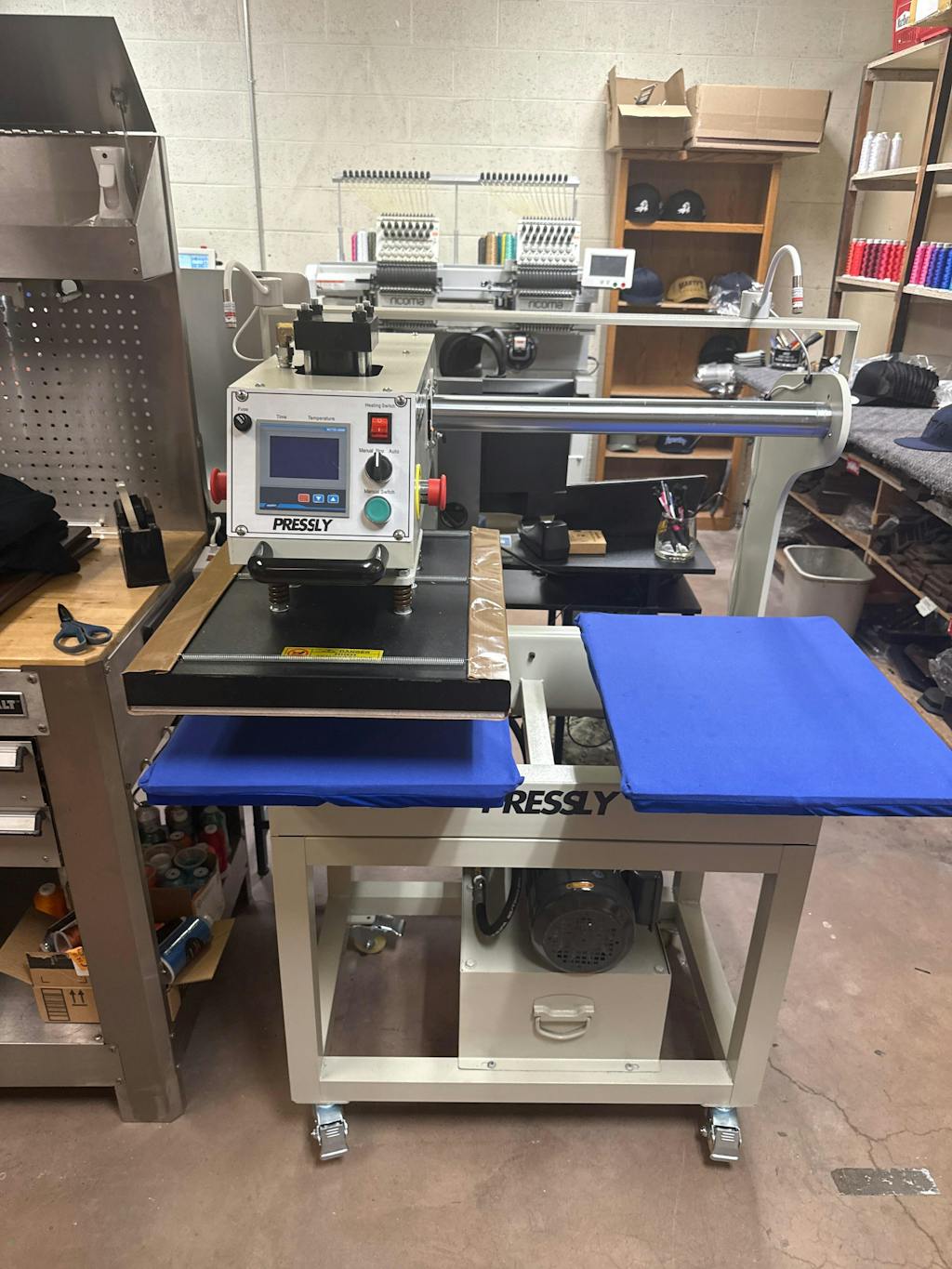
WOW! We are loving this press for sure. It was an easy ordering process. It took us a little bit to get it uncrated and get the wheels on but listen, totally worth it! It fits through a normal size doorway. Get it!
Cindy Gonzalez-CNG Embroidery
Heat Press Machine - HYDRO1620 - Hydraulic Head Moving
Game changer
We just got our heat press but we are loving what it’s going to do for our business also the fact that the company is local for me brooks with any issues that might come up in the future
Gregory Ozenne Jr
Heat Press Machine - HYDRO1620 - Hydraulic Head Moving
Great Heat Press
This is a great heat press with no need for air to be attached. All you need is a standard 115v outlet on a 20 amp circuit(plus 5 gallons of AW-68 hydraulic fluid) and you are good to go! There are cheaper units out there, but they aren't as nice as this one nor as easy to use. Forget those cheap manual clamshell presses and those iffy air powered presses and get this instead.
Donnie Greene
Heat Press Machine - HYDRO1620 - Hydraulic Head Moving

My go to for everything dtf !
My go to for everything DTF. Love me some Dtfbank.com
Kelly Smith

Quick Peel DTF Film - 23.6" x 328'
Game Changer
My company (1st Place Awards & Embroidery) started doing DTF on shirts last year. We purchased a small A25 unit and that did fine for the first year. As we started receiving orders for sports leagues it became apparent that we needed a bigger unit for high production. After getting bombarded on Social Media for double press units (They are a dime a dozen) I pulled the trigger on the Pressley from DTF Bank. I chose this unit and this company over the others for a few reasons. First, they are a Texas company. This is a very important thing for me and my company since there are times you need maintenance help. This also meant shipping was 2 day! Secondly, DTF bank was the only company I found that also had replacement parts listed on their website. That show that they are built for the long haul.
While I am aware there are cheaper machines out there and these are white labeled for the most part, the company you buy from matters.
Justin Ruiz
Heat Press Machine - HYDRO1620 - Hydraulic Head Moving