

Secrets to Long-Lasting DTF Prints
Secrets to Long-Lasting DTF Prints
Direct-to-Film (DTF) printing has revolutionized custom apparel and merchandise production. Businesses and hobbyists alike appreciate its ability to produce vibrant, detailed designs on a wide variety of fabrics. However, creating long-lasting prints requires more than just a good printer. Factors such as ink quality, powder application, heat pressing, and post-print care all play a role in ensuring durability. Understanding these key elements helps users achieve professional-quality results that stand the test of time.
Choosing High-Quality Inks
The foundation of a durable DTF print starts with ink selection. Premium DTF inks are formulated for adhesion, color vibrancy, and wash resistance. Using low-quality or expired inks can lead to fading, cracking, or peeling after washing. Businesses should invest in inks that are compatible with their printer and film type. Consistent ink flow and precise color reproduction also contribute to a professional finish.
Proper Powder Application
Adhesive powder plays a crucial role in DTF prints. The powder binds the ink to the fabric during heat pressing. Uneven application can result in weak spots or partial peeling. Automated DTF shakers ensure consistent powder distribution across the printed film. For small workshops, careful manual application can also produce good results, but attention to detail is essential. Consistency in powder coverage directly impacts the longevity of the final print.
Optimized Heat Press Settings
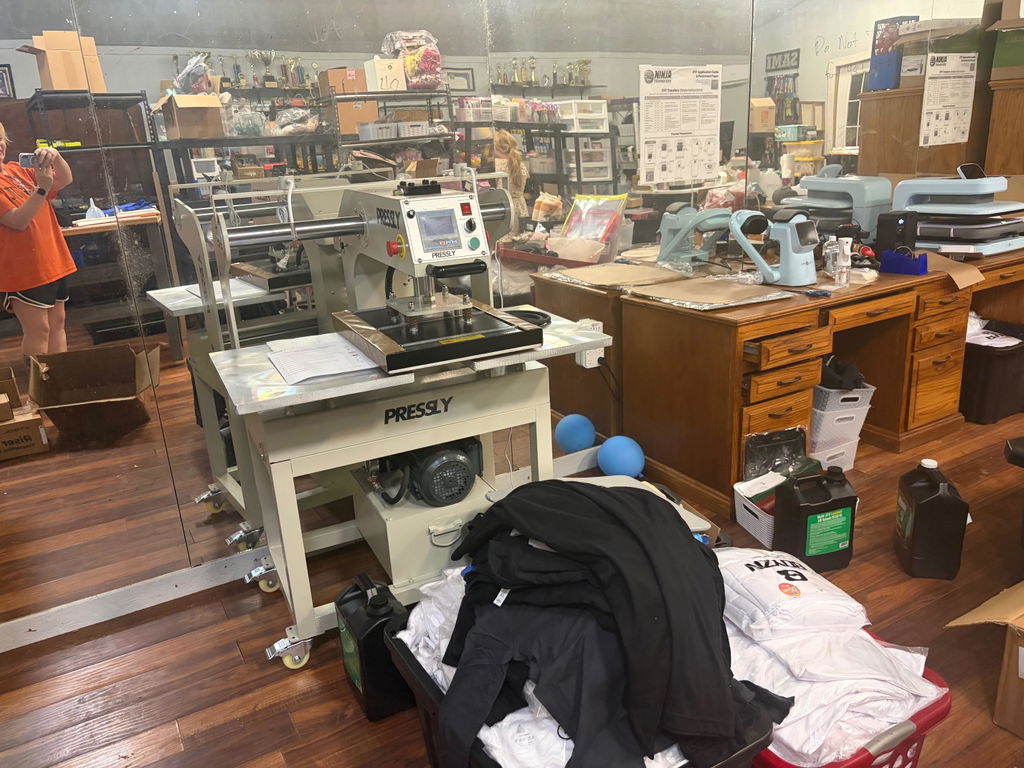
The heat press step determines how well the design adheres to the garment. Temperature, pressure, and pressing time must be carefully controlled. Too much heat can scorch the fabric or distort the design, while too little may prevent proper adhesion. Testing different settings for each material type ensures optimal results. Using a semi-automatic or automatic heat press can improve consistency, especially for high-volume production.
Fabric Selection and Preparation
DTF prints works on cotton, polyester, blends, and various other textiles. Choosing the right fabric and preparing it properly are essential steps. Pre-washing garments removes sizing, oils, and residues that can interfere with adhesion. Ensuring the fabric is dry and free of wrinkles before pressing prevents uneven prints. Fabrics with high stretch or textured surfaces may require adjustments in pressure and temperature to maintain durability.
Curing and Cooling Process
After pressing, allowing the print to cool properly helps the adhesive set fully. Rapid handling or folding before curing can lead to cracks or peeling. For multi-layered designs or thicker garments, additional curing time may be necessary. Following manufacturer guidelines for powder melting and curing ensures the print retains its integrity through repeated use.
Post-Print Care for Longevity
Maintaining long-lasting DTF prints extends beyond production. Proper care during washing and drying is critical. Turn garments inside out before washing, use mild detergents, and avoid bleach or harsh chemicals. Cold water washes and low-heat drying cycles reduce stress on the print. Ironing directly over the design is discouraged unless protected by parchment or a heat sheet. Educating customers or staff on proper garment care improves satisfaction and reduces complaints.
Storage and Handling of Prints
DTF films and printed garments should be stored in a controlled environment. Excessive humidity, high temperatures, or direct sunlight can affect both the adhesive powder and ink quality. Keeping films flat and garments folded carefully prevents damage before final use or shipment. Proper storage practices also help maintain color vibrancy and adhesion over time.
Equipment Maintenance
Regular maintenance of DTF printers, shakers, and heat presses contributes to consistent results. Cleaning printheads, checking powder dispensers, and calibrating presses prevents errors and uneven prints. Well-maintained equipment not only improves durability but also extends the lifespan of the machines themselves, reducing downtime and repair costs.
Testing and Quality Control
Conducting small test prints before full production ensures settings and materials are optimized. Monitoring the first few prints helps identify any issues with adhesion, color, or powder distribution. Implementing quality control measures at each stage—from printing to heat pressing to post-print care—minimizes defects and ensures every product meets durability standards.
Conclusion
Achieving long-lasting DTF prints requires attention to multiple factors. High-quality inks, even powder application, optimized heat pressing, proper fabric preparation, and careful post-print handling all contribute to durability. By following these best practices, businesses can produce vibrant, professional-grade prints that maintain their quality over time. With proper equipment, materials, and care, DTF prints can deliver reliable results for both apparel and merchandise, enhancing customer satisfaction and reinforcing brand reputation.
Leave a comment